Custom Furniture at study: A Hiking Pack Shelf
Custom Furniture gives a hiking pack a proper home at the study when you build a ventilated, floor-standing bay with a shaped rest and a hook for the hip belt, so the pack dries and keeps its shape instead of slumping in a corner. It's a small build that protects gear you paid real money for.
Why a pack needs its own shelf
A loaded hiking pack left on the floor flattens the back panel and traps damp from Singapore's humidity, growing that closed-sack smell. A shaped shelf lets it stand and breathe.
In a study that also holds the desk, the pack can dominate the room. A built bay tucks it vertical against the wall, freeing the floor you walk on each day.
It also keeps muddy straps off the chair, so you're not wiping the seat before you sit down to work the next morning.
Planning the Custom Furniture shelf
Measure the pack height with the lid closed, then build a bay a touch taller with a slanted base so water runs off. Add a single strong hook at shoulder height for the belt.
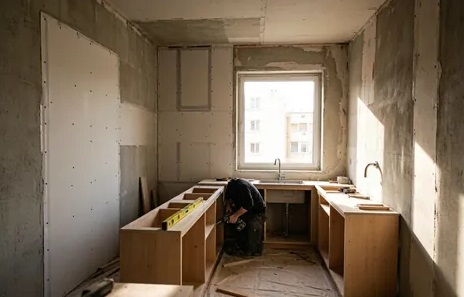
Build steps: fix a back panel to studs, set a ventilated base of slats, add side walls, fit the belt hook, line the inside with a wipe-clean laminate. Leave gaps for air.
Put it near the entry to the study, not behind the chair, so you can drop and grab the pack without moving furniture around.
Materials that fight humidity
Plywood with a laminate face resists the damp a sweaty pack brings and stays straight. Solid wood near a wet pack can cup; MDF will bubble if it stays damp.
Slatted bases beat solid ones because air moves through. Spend a little on a moisture-resistant ply and the shelf outlasts several packs you'll own.
2025 and 2026 trends favour open, airy storage with visible grain, so a ply-and-slat bay fits the look while doing real drying work.
Cost, timeline, and HDB angles
A pack shelf with vent base runs about S$500 to S$1,400 by size and finish. It's one of the cheaper custom builds but high on daily use for an outdoor lover.
From measure to install, allow 6 to 10 weeks. HDB renovations fall under the one-year defect liability period, so flag any wall crack early while the contractor must fix it.
Against a reno budget of roughly S$30k to S$70k, a pack shelf is pocket change that protects gear worth far more than the build.
Care and long-term value
Empty the pack after each trip, air the bay weekly, and check the hook yearly. A pack that dries lasts far longer than one stored damp and closed.
This build won't lift resale value, but a tidy study impresses viewers more than a cluttered one. Keep the shelf open and the room reads as ordered.
A hook for the rain cover keeps it from crumpling at the bottom of the bay. Small order like that is what makes the shelf stay useful trip after trip instead of turning into a dump spot.
I'd build the bay a size up from your current pack, because the next one is always a little bigger. Give it room and you won't be rebuilding when your gear grows.