HDB Renovation: sequencing works the right way
HDB Renovation fails for a lot of owners not because the design is wrong, but because the works were done in the wrong order. The reliable sequence is hacking first, then plumbing and electrical, then tiling, then carpentry, then paint — and skipping a step nearly always costs you rework.
Step one: hacking and demolition
Everything starts with removal. Old tiles, unwanted non-structural partitions, existing cabinets and fittings come out first. This is the dustiest, loudest stage, so it lines up with HDB's noise rules: hacking and drilling are allowed 9am to 5pm on weekdays and Saturdays only, and nothing on Sundays or public holidays.
Before any wall comes down, confirm it isn't structural. HDB forbids hacking of structural walls and beams, and parapet walls and floor traps can't be touched either. Get the plan checked so you don't discover the mistake at inspection.
Step two: plumbing and electrical
With the shell open, run the hidden services. New water points, toilet repositioning within allowed limits, rewiring and extra power points all go in now, before surfaces are closed up. This is the moment to add the points you'll regret missing later — more sockets in the kitchen, a data point for the home office, aircon trunking planned with the hacking.
Doing this after tiling means chasing into finished walls, which is messy, slower and risks damage. Sequence it early and the rest stays clean.
Step three: tiling and waterproofing
Once services are in, flooring and wall tiles go down, and the toilet gets proper waterproofing. Waterproofing matters because HDB inspects for leak risks to flats below, and a failed job means tearing up finished work. Let wet areas cure fully before anyone walks on them or builds on top.
This stage sets the visual base of the home, so tile selection should already be locked from the planning weeks. Changing your mind here means reordering and delay.
Step four: built-in carpentry
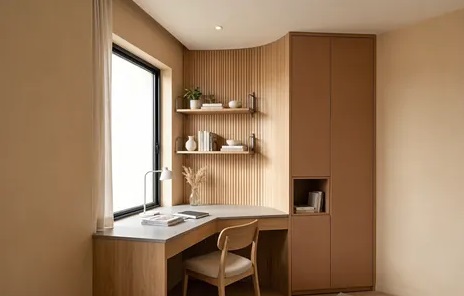
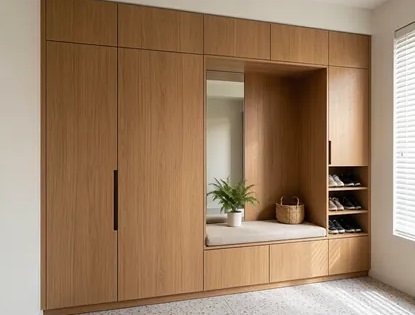
Custom carpentry — kitchen cabinets, wardrobes, the TV console, storage around the bomb shelter — is measured, fabricated off-site and installed after wet works are done and the place is dry. It's the longest lead item, so it should have been ordered back during hacking.
Poor sequencing here is the classic delay: owners who order carpentry only after tiling finish add three to five weeks they didn't plan. Measure early, fabricate in parallel, install on time.
Step five: painting, fixtures and final fit-out
Paint goes on near the end so it isn't scuffed by heavier works. After paint, the contractor fits lights, mounts the aircon, installs sanitary ware and handles final details. A deep clean follows, then the walkthrough to catch defects.
Painting last also means touch-ups are quick — any scuff from installing a cabinet gets covered in one pass rather than repainting a whole room later.
Why the order protects your deposit
The sequence isn't just tidiness; it protects the end inspection and your deposit refund. HDB holds S$500 for flats up to 3 rooms and S$1,000 for 4 rooms and larger, returned only after a compliant inspection. A job done out of order tends to leave the kind of defects inspectors flag.
Good whole-house customization lives or dies on this flow. Plan cabinets and storage into the sequence from day one, keep the trades in the right order, and the home comes together without the expensive do-overs.