HDB Renovation: rules that trip up newcomers
HDB Renovation comes with a rulebook that surprises a lot of first-time owners, and the usual mistakes aren't the obvious big ones — they're the quiet everyday rules people break without knowing. Get familiar with these early and your project stays smooth instead of stalled.
1. The no-work days nobody warns you about
This is the rule that catches almost everyone. Under HDB's noise rules, there is no renovation work on Sundays and public holidays. On top of that, noisy works like hacking and drilling are only allowed between 9am and 5pm on weekdays and Saturdays. You can't sneak in a bit of drilling on a Sunday afternoon — it's simply not permitted, and neighbours will report it.
Plan your schedule around those gaps. If your contractor plans six solid days a week, that plan is already against the rules and will get flagged.
2. Walls you can't touch
New owners often assume any internal wall can come down. It can't. The hard lines are:
- Structural walls and beams cannot be hacked at all.
- Parapet walls and floor traps must stay intact.
- Toilets cannot be shifted to another position.
- Corridor windows and the main door position are restricted.
Before any hacking starts, your contractor should confirm which walls are non-structural and allowed. Guessing is how people end up with a failed inspection and a bill to reinstate.
3. Permit timing that slips away
The renovation permit has to be applied for within 3 months of key collection for a new flat, or within 3 months of resale completion. The permit itself is then valid for 3 months. Miss the application window and you're stuck until you sort it out with HDB; let the permit expire mid-job and works have to pause.
A simple habit: apply for the permit the moment your design is settled, don't wait until you feel like starting.
4. Who is actually allowed to renovate
All renovation must be done by a BCA-licensed contractor listed on HDB's Directory of Renovation Contractors (DRC). Hiring outside that list isn't just risky — it can leave you with work HDB won't recognise and a deposit you can't get back. Around 78% of Singapore residents live in HDB flats, so this licensing system exists to protect a huge share of homeowners.
Always check the DRC before signing. It takes a few minutes and saves years of trouble.
5. Contract rules that changed recently
Since 1 Oct 2024, the CaseTrust Renovation Framework (RFPS) applies to contracts of S$5,000 and above. It brings "Open Book" itemised pricing, so you can see the actual material costs behind each line. Newcomers sometimes sign vague contracts without this detail and later struggle to understand why a quote moved.

Make sure your contract shows itemised costs clearly. If a firm won't break it down, that's a sign to walk away.
6. Keep the rules working for you
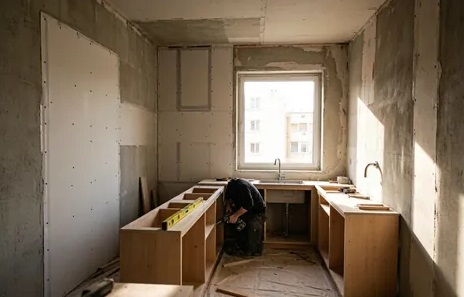
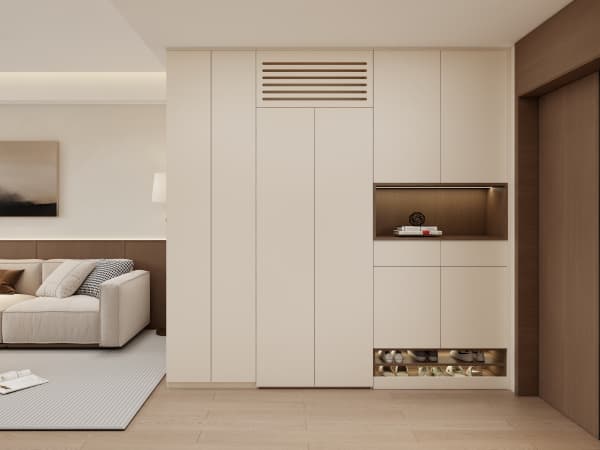
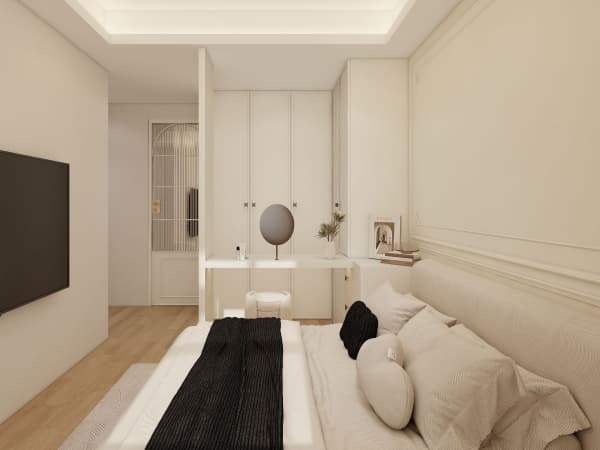
None of these rules are there to make life hard — they keep flats safe and neighbours sane. The trick is to treat them as part of the plan from the start. If you're mapping out carpentry, kitchen cabinets or whole-home customisation, build the permitted scope and the noise windows into your schedule so nothing gets delayed. Work with a BCA-licensed contractor on HDB's DRC and the rules stop being tripwires and start being a checklist you sail through.