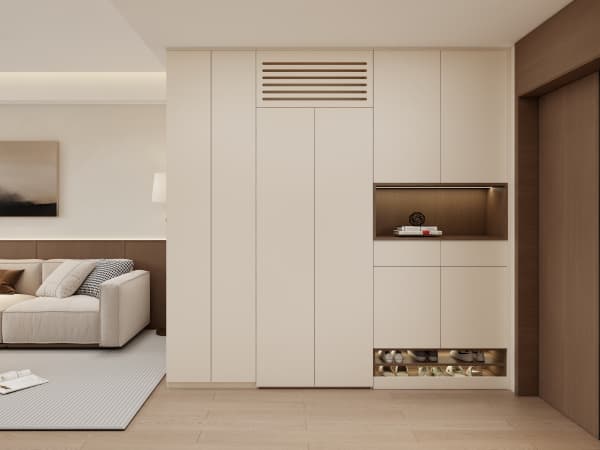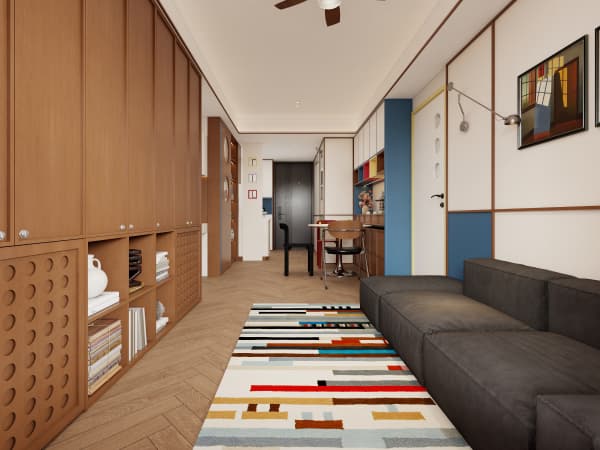
HDB Renovation: tiles versus vinyl for the home
HDB Renovation flooring usually comes down to a straight fight between tiles and vinyl. Both can look great, but they feel, cost, and age very differently, and the better pick depends on the room and how much upkeep you're willing to live with.
Cost: where tiles and vinyl actually differ
On paper, vinyl often looks cheaper because the material itself is modest and installation is quick. Tile, by contrast, carries higher labour since the substrate needs to be screeded, laid, and grouted. Based on recent market observations, good quality vinyl for a typical flat can land anywhere from S$3,000 to S$7,000 for the whole home, while tile work often pushes past S$8,000 to S$15,000 once you include hacking the old floor, screeding, and the tiling itself.
- Vinyl: lower material cost and faster labour, so the headline number is friendlier.
- Tiles: the tile price varies widely, but the hidden cost is usually the preparation and the grout work.
- Don't forget the permit side. Floor hacking in an HDB flat needs the renovation permit, and the deposit is S$500 for flats up to three rooms and S$1,000 for four rooms and larger, refunded only after a compliant end inspection.
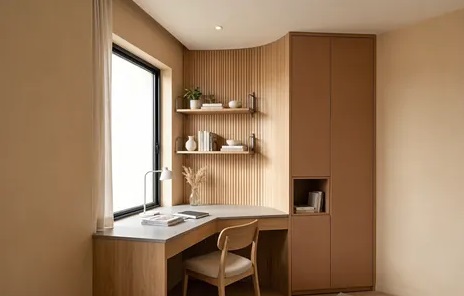
HDB Renovation comfort underfoot
This is where vinyl quietly wins for a lot of families. Vinyl has a slight give, so it's warmer and softer to stand on, which matters if you cook for long stretches or have kids who spend time on the floor. Tiles stay cool and hard. That feels pleasant in our climate but it's tough on the feet and unforgiving if something drops. If you've got elderly parents at home, the cushioning of vinyl is worth real thought.
There's also the sound factor. Vinyl dampens footfall a little, while tiles can echo, especially in an open-concept living and dining space. That said, tile feels more solid and permanent, and many owners simply prefer the look and the cool touch underfoot.
Upkeep and cleaning over the years
Both are easy to wipe, but they fail in different ways. Vinyl can scratch and, in bad cases, peel at the edges if water gets underneath. Tiles are harder to damage, but the grout is the weak point. It stains and can harbour mould in our humidity if you don't seal it. A few practical habits help either way:
- Sweep or dry-mop often so grit doesn't grind the surface down.
- Wipe spills quickly. Standing water is the enemy of both, but especially vinyl edges.
- Reseal tile grout every year or two in wet areas to keep mould away.
- Avoid harsh chemicals that dull the wear layer on vinyl.
Where each flooring makes sense
Most people split the home rather than pick one for everything. A common, sensible split looks like this:
- Living and bedrooms: vinyl for comfort and warmth underfoot.
- Kitchen and toilets: tiles for water resistance and easy scrubbing, though vinyl rated for wet areas is also an option.
- Service yard and bomb shelter recess: tile or a tough vinyl, since these take a beating.
Newer BTO flats from October 2024 under the Standard, Plus, and Prime categories already come with better base finishes, so you may only need to overlay rather than hack and relay everything. That alone can shave a big chunk off the bill and skip a noisy, dusty hacking stage.
What to ask before you commit
Before you sign, pin down a few things so the quote matches reality. Ask whether the price includes hacking and disposal of the old flooring, whether the supplier will screed, and what wear layer the vinyl carries. A thicker wear layer lasts longer in a busy home. For tiles, ask about the grout type and whether it gets sealed.
If you'd rather not juggle multiple trades, whole-house customization lets you settle flooring, carpentry, and the rest in one coordinated plan, which keeps the look consistent across rooms. Take your time here. The floor is the one thing you'll walk on every single day, so getting it right upfront saves years of small annoyances and the cost of redoing it later.