BTO Renovation Singapore: Handling the right board
A BTO Renovation in Singapore is not a single purchase but a sequence of choices. Each choice locks the next, so the owners who plan the chain end up with a home that quietly does its job every day.
What plywood for wet areas cost you in the end
The weak point of any board is the edge. Even plywood swells if the laminate edge peels, so ask for PVC or ABS edge banding that is glued and not just stuck on. In a landing where the dishwasher leaks, sealed edges buy you years. Pair the board with a backsplash that goes at least 600 mm up the wall and the cabinet legs stay dry.
Common questions about BTO key collection steps
Use the defect window well. Walk every room with the checklist, test the switches, check the tiles for hollow spots. The items you miss now stay your cost later. Coordinate this with your carpenter so the cabinet measure happens after the defects are settled and the walls are true.
How kitchen cabinet planning affect your schedule
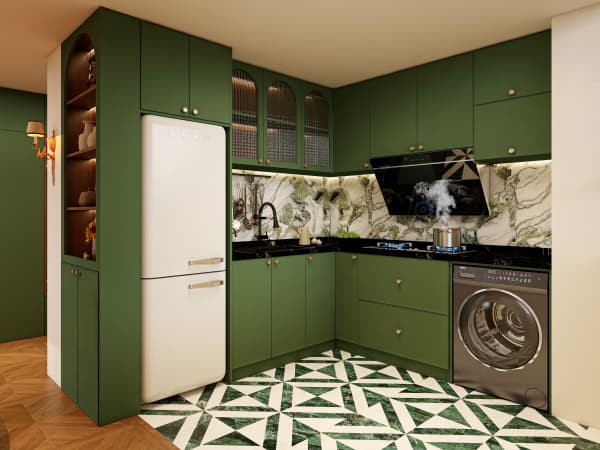
Base cabinets carry the weight, so build them from plywood where they meet the floor and the water. Wall cabinets can use a lighter board, but fix them into the concrete with the right anchors, not just into the tile. A cabinet that pulls away from the wall is the most common and most avoidable failure.
What payment milestone schedules cost you in the end
The deposit protects the workshop from a no-show, but anything above 50 percent before you see work is a risk. In Singapore, disputes over renovation deposits are common, so keep records of every transfer and the stage it covered. A written schedule with amounts removes the grey area.
How reading a quotation affect your schedule
A quotation should read like a bill of materials, not a single sum. Look for the board grade per cabinet, the edge type, the hinge brand class, the number of drawers, and the lighting. If an item is missing, assume the cheapest version, then decide. A clear quote also lists what is not included, like plumbing or hacking.
Where HDB renovation permits usually go wrong
A common slip is booking the carpenter before the permit lands. The real sequence runs: collect keys, pay the HDB deposit for new flats, appoint a licensed builder, submit plans, wait for the permit, then start. Resale flats skip the deposit but follow the same permit step. The five-day neighbour notice also kicks in once hacking is approved, giving households above and beside you time to protect their homes.
Getting wardrobe internal layouts sorted early
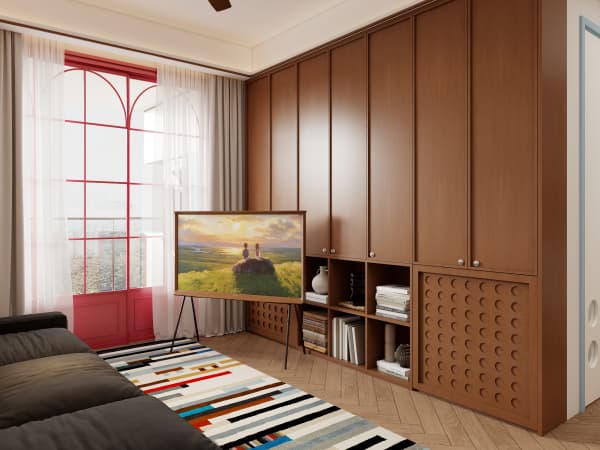
Tie the wardrobe to the room's other storage. A shared bank that wraps the bed head and turns the corner into a study nook uses a dead wall better than a separate cabinet. Ask the carpenter to draw the full wall, not just the wardrobe, so the pieces meet without a gap you cannot fill.
In Punggol, a an executive apartment often comes with an awkward service yard, and the build that works treats it as a second kitchen rather than a dump. A S$28,000 budget stretches further when the yard pulls its weight.
How HDB renovation timelines affect your schedule
A full renovation in a Singapore flat rarely finishes in two weeks. For a 4-room resale, carpentry alone takes three to four weeks once the base works are done, and the whole job often runs six to ten weeks. BTO flats add the HDB defect rectification window before you can tile. Plan around school holidays and the monsoon if you can, since wet works slow in heavy rain.
The numbers matter: a a maisonette with a compact family room and a S$15,000 cap still gets a full plywood base and soft-close fittings if the owner cuts the face-grade and keeps the inside honest. The feel stays, the cost drops.
Understanding carpentry warranties in Singapore
Keep a record of the board grade, the hinge type and the invoice dates in a single file. When a drawer runner fails in year two, that file is what the carpenter needs to honour the claim without argument. Five minutes of notes today saves a long search and a denied claim three years on.
Getting renovation stages in order sorted early
Hold a weekly site check at each handover. When the tiler leaves, walk the floor for hollow tiles. When the painter leaves, check the edges. Catching a fault before the next trade covers it saves a fight later. The stage checks are the cheapest insurance in the whole job.
A BTO Renovation in Singapore succeeds when the small calls are made well. The right board at the sink, the soft-close where you open daily, the layout that respects the work triangle, these are the marks of a build done right.
One more point worth a line: keep the contact of the person who owns your project in a single note, with the quote, the permit and the warranty. When something needs a fix in year two, that note is what turns a denied claim into a quick visit. The paper you file today is the service you get later.
A small habit that pays off is to photograph the finished work at handover, before the furniture goes in. The shots show the edges, the gaps and the mitres as they should be, and give you proof if a fault appears after. Five minutes with a phone beats a week of argument about what changed.
Think about the next owner too. A clean, compliant build with the paperwork in order sells faster and for more, because the buyer's lawyer has fewer questions. The work you do for yourself also works for the resale, so treat the records as part of the asset, not just the receipt.
Do not chase the lowest number at the cost of the details. A job that saves on the edge banding and the hinge shows it within a year, and the fix costs more than the saving. Spend on the parts you touch daily, and the home feels right long after the photos are taken.
Finally, give the build a week before you judge it. Wood settles, doors find their rest, and a small adjustment at the start of use prevents a bigger one later. A carpenter who returns for the punch-list is worth more than one who disappears the day the balance is paid.