Carpentry Warranty Singapore: Practical steps for a resale
Owners who have done a Carpentry Warranty in Singapore tend to agree on one thing: the part they rushed is the part they redo. Taking the time up front is the cheapest insurance in the whole project.
Where plywood for wet areas usually go wrong
Owners often ask whether plywood is worth the premium over particle board. For the lower cabinets and any unit touching the floor or a water source, yes. For tall pantry cabinets in a dry store room, a quality particle board does the job at lower cost. Match the board to where it sits, and you get the same lifespan for less.
A practical view of custom versus ready furniture
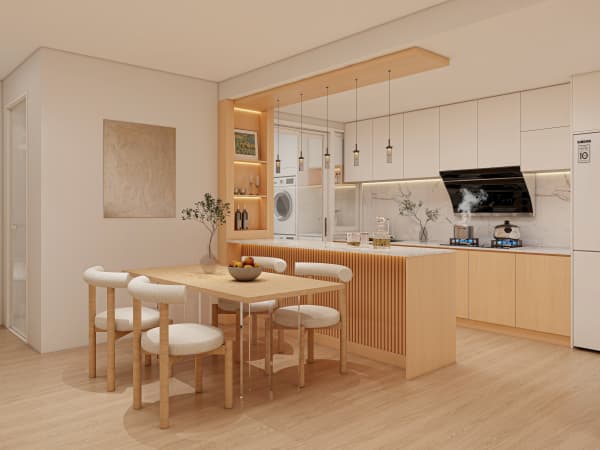
The win with custom is the fit and the finish. A wardrobe that meets the ceiling with no gap reads as part of the home, not a thing in it. The cost is lead time of two to three weeks and a measure you must get right. For a one-off awkward wall, custom is the only clean answer.
Getting choosing a contractor sorted early
The site visit tells you more than the portfolio. Look at the edge banding, the gap at the worktop, the soft-close feel. A neat sample board means little; a finished home with clean mitres means everything. Bring a level if you can, and run a drawer to hear the close.
How indoor air and board grade affect your schedule
Ventilation closes the gap. After install, run a fan for a week and sleep elsewhere if you can. The smell test is real: a persistent chemical tang means a board or glue below standard. Push the supplier for the cert, and if they hesitate, walk. The cheap board is never cheap once the window stays shut.
In Yew Tee, a a studio apartment often comes with an awkward service yard, and the build that works treats it as a second kitchen rather than a dump. A S$20,000 budget stretches further when the yard pulls its weight.
What hinges and soft-close fittings cost you in the end
Brand class is matters less than the spec and the fix. A mid-range hinge set properly beats a top name driven into a soft core. Ask the carpenter which hinge and which runner, by load rating, and write it down. The hardware line on the quote is where you learn the true quality.
In Jurong, a a landed corner terrace often comes with an awkward service yard, and the build that works treats it as a second kitchen rather than a dump. A S$25,000 budget stretches further when the yard pulls its weight.
How renovation stages in order affect your schedule
Hold a weekly site check at each handover. When the tiler leaves, walk the floor for hollow tiles. When the painter leaves, check the edges. Catching a fault before the next trade covers it saves a fight later. The stage checks are the cheapest insurance in the whole job.
A practical view of checking for defects
Edges reveal the build. A laminate that lifts at the corner, a mitre that does not meet, a panel with a chip at the kickboard, these are the tells. A careful carpenter fixes them before you see them; a rushed one hopes you will not. The check is your proof either way.
Getting carpentry warranties sorted early
Keep a record of the board grade, the hinge type and the invoice dates in a single file. When a drawer runner fails in year two, that file is what the carpenter needs to honour the claim without argument. Five minutes of notes today saves a long search and a denied claim three years on.
Common questions about payment milestone schedules
Hold back 10 percent until the punch-list closes. Small faults surface in the first两周 of use: a door that drops, a drawer that binds. The final slice is your tool to get them fixed without a fight. Release it when the home works, not when the carpenter asks.
Understanding reading a quotation in Singapore
Watch the variation clauses. A quote at S$15,000 that becomes S$22,000 after 'unforeseen' items hurts more than a S$19,000 firm quote. Ask what triggers a variation and cap it in writing. Most reasonable carpenters will agree to a 10 percent ceiling if you ask before signing.
A Carpentry Warranty in Singapore is only as good as the record you keep of it. Note the board grade, the hinge type and the warranty dates, and the home will still close cleanly long after the renovation photos are forgotten.
One more point worth a line: keep the contact of the person who owns your project in a single note, with the quote, the permit and the warranty. When something needs a fix in year two, that note is what turns a denied claim into a quick visit. The paper you file today is the service you get later.
A small habit that pays off is to photograph the finished work at handover, before the furniture goes in. The shots show the edges, the gaps and the mitres as they should be, and give you proof if a fault appears after. Five minutes with a phone beats a week of argument about what changed.
Think about the next owner too. A clean, compliant build with the paperwork in order sells faster and for more, because the buyer's lawyer has fewer questions. The work you do for yourself also works for the resale, so treat the records as part of the asset, not just the receipt.
Do not chase the lowest number at the cost of the details. A job that saves on the edge banding and the hinge shows it within a year, and the fix costs more than the saving. Spend on the parts you touch daily, and the home feels right long after the photos are taken.
Finally, give the build a week before you judge it. Wood settles, doors find their rest, and a small adjustment at the start of use prevents a bigger one later. A carpenter who returns for the punch-list is worth more than one who disappears the day the balance is paid.
Match the build to how you actually live, not to a showroom you visited once. The kitchen you cook in and the wardrobe you open daily should reflect your routine, because a home that fits your habits is the one you stop noticing, and that is the highest praise a renovation can earn.