Condo Fit-Out Singapore: Tips for that keeps the air clean
For a Condo Fit-Out in Singapore, the budget is only half the story. The other half is the permit, the timeline and the people you hire, and those three decide whether the home feels right a year on.
A practical view of open kitchens and town gas
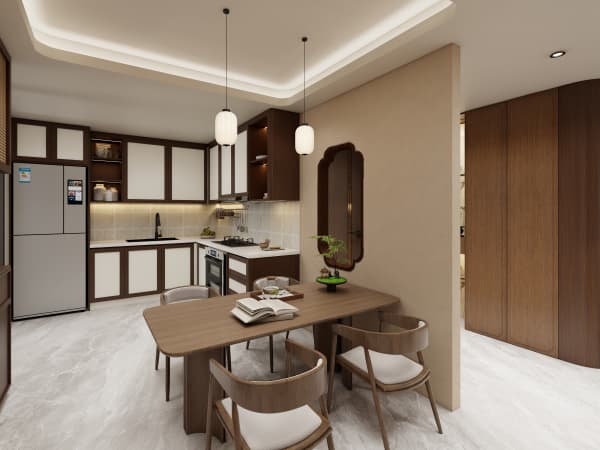
Check the gas meter location before you redesign. Moving it is possible but adds cost and a separate appointment. Some layouts let you keep the enclosed kitchen for gas and open the dining side instead, getting the airy feel without losing the flame. A carpenter who knows the rule saves you a redo.
Common questions about HDB renovation timelines
Time slips mostly come from waiting, not from building. Permit approval, MCST slot booking for condos, and cabinet lead times of two to three weeks are the usual culprits. A realistic plan blocks the carpenter only after hacking, tiling and painting are done, so the boards are not scratched on site. Owners who front-load the paperwork finish weeks earlier.
Getting plywood for wet areas sorted early
Owners often ask whether plywood is worth the premium over particle board. For the lower cabinets and any unit touching the floor or a water source, yes. For tall pantry cabinets in a dry store room, a quality particle board does the job at lower cost. Match the board to where it sits, and you get the same lifespan for less.
Getting choosing a contractor sorted early
The site visit tells you more than the portfolio. Look at the edge banding, the gap at the worktop, the soft-close feel. A neat sample board means little; a finished home with clean mitres means everything. Bring a level if you can, and run a drawer to hear the close.
A practical view of layered lighting plans
One ceiling light in a kitchen leaves shadows exactly where you chop. Layer the light: a bright task strip under the upper cabinets, a soft ambient glow overhead, and a focused downlight over the hob. In Singapore flats where the kitchen often doubles as a passage, this split makes the room usable at every hour.
Take a studio apartment as a typical case: the owner had a wet and dry kitchen to fit, and the carpenter planned the storage around the actual items rather than a standard grid, which removed the dead corners that plague smaller Singapore homes.
A practical view of reading a quotation
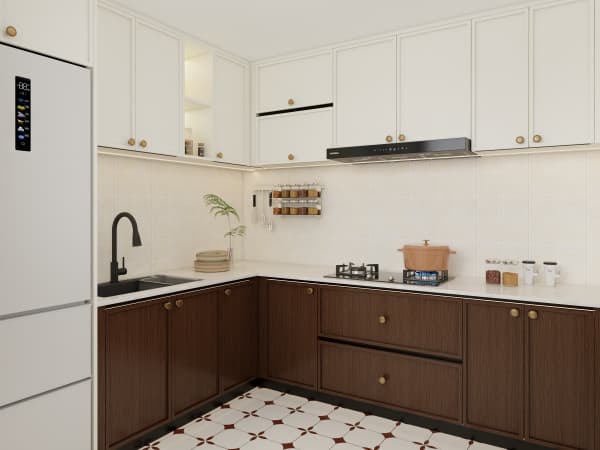
Compare quotes by line, not by total. One firm may price the carcass low and the drawers high, another the reverse. The honest way is to send the same spec to two or three and see where they differ. Wild gaps usually mean a different board or a missing step, not a better deal.
Understanding condo MCST renovation rules in Singapore
Deposit amounts vary by development but often sit in the low thousands, refundable after the defects walk and a clear clearance from the MCST. Keep the clearance letter. If you sell later, the new buyer's lawyer will ask for proof that past renovations were compliant, and a missing letter becomes a small headache at the worst time.
A practical view of renovation stages in order
The carpenter sits late in the order for a reason. Building cabinets before the walls are true wastes the boards. Measure after tiling and painting, build in the workshop, install near the end. Owners who rush the carpenter in front of the painter pay for scratched faces and gaps at the skirting.
A practical view of maximising cabinet storage
Storage fails not from lack of cabinets but from poor internals. Deep drawers beat deep shelves because you see everything without digging. In a Singapore kitchen where space is tight, a pull-out for the blender and a tray divider for the lids turn a cramped cabinet into a working one. Spend on the inside, not just the face.
What typical carpentry budgets cost you in the end
Carpentry in a Singapore home spans a wide range. A basic kitchen and a couple of wardrobes can land at S$8,000 to S$12,000, while a full-home build with plywood, soft-close hardware and a feature wall often reaches S$25,000 to S$40,000. The board grade and the amount of custom work move the number more than the room count.
Take a landed intermediate terrace as a typical case: the owner had a helper room to fit, and the carpenter planned the storage around the actual items rather than a standard grid, which removed the dead corners that plague smaller Singapore homes.
For anyone starting a Condo Fit-Out in Singapore, the lesson is simple: slow at the front, steady through the middle, careful at the end. The owners who follow that rhythm are the ones who never redo the job.
One more point worth a line: keep the contact of the person who owns your project in a single note, with the quote, the permit and the warranty. When something needs a fix in year two, that note is what turns a denied claim into a quick visit. The paper you file today is the service you get later.
A small habit that pays off is to photograph the finished work at handover, before the furniture goes in. The shots show the edges, the gaps and the mitres as they should be, and give you proof if a fault appears after. Five minutes with a phone beats a week of argument about what changed.
Think about the next owner too. A clean, compliant build with the paperwork in order sells faster and for more, because the buyer's lawyer has fewer questions. The work you do for yourself also works for the resale, so treat the records as part of the asset, not just the receipt.
Do not chase the lowest number at the cost of the details. A job that saves on the edge banding and the hinge shows it within a year, and the fix costs more than the saving. Spend on the parts you touch daily, and the home feels right long after the photos are taken.
Finally, give the build a week before you judge it. Wood settles, doors find their rest, and a small adjustment at the start of use prevents a bigger one later. A carpenter who returns for the punch-list is worth more than one who disappears the day the balance is paid.