Custom Furniture at shophouse: A Water Bottle Row Neat
Custom Furniture is the answer when your shophouse has no straight walls yet you still want a neat row of water bottles by the door. We sorted ours in under two months and the difference was immediate.
Why a shophouse needs a different approach
Old conservation shophouses in places like Joo Chiat, Chinatown or Tiong Bahru rarely give you a clean rectangular room. Floors slope, walls lean a little, and the structural columns sit exactly where you wish they didn't. A standard shelf from a flat-pack store simply won't sit flush against those surfaces.
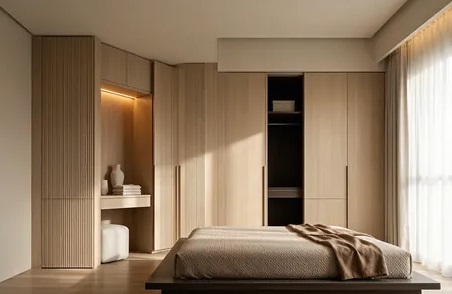
We measured the wall twice and built a low 1.2-metre unit that follows the wall's actual line instead of pretending it is straight. Custom furniture takes those quirks and turns them into something that looks deliberate rather than makeshift.
Custom Furniture for a tidy bottle station
The "water bottle row" idea came from our habit of stocking the big 1.5-litre bottles during a heatwave. They used to roll around the floor and looked messy. Here is what we built to fix it.
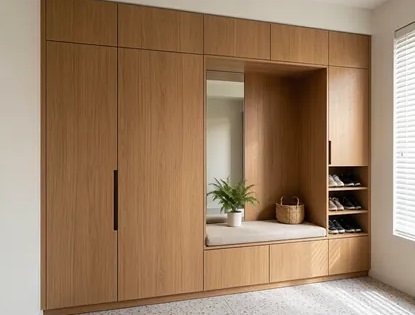
A shallow open cubby at counter height, sized to the bottle diameter so each one stands upright instead of leaning on its neighbour.
A drip tray at the base, because our humidity means constant condensation and a wet floor near the entry is a slip risk we didn't want.
A closed back panel so the row reads as one clean line from the living area, hiding the plumbing and the wall patch behind it.
Soft-close doors on the lower section, which now holds the spare caps and a hand pump for the big bottles.
Materials that hold up in our weather
Solid wood looks lovely but it swells if a bottle leaks and the room isn't air-conditioned through the day. We went with plywood for the carcass and a laminate facing that wipes clean, which is the practical choice for a wet spot.
MDF would have been cheaper, yet it hates moisture and we didn't want it anywhere near water. Plywood runs roughly S$90 to S$140 per sheet, more than MDF but it stays straight. Laminate keeps the surface low-maintenance through our humid months.
Cost, timeline and the rules
First, check if your shophouse is a conservation unit before drilling into walls or floors. The authorities and your conservation guidelines may need approval for fixed fittings, so ask early rather than after the carpenter shows up.
Our bottle station ran about S$1,800 including labour. From measure to install took close to seven weeks, which is normal once you add workshop queue time. A whole-house job in a shophouse can sit anywhere from S$40k to S$90k depending on how much you change.
Keeping it looking good
Wipe the laminate with a damp cloth weekly and dry it after a spill. Check the screws every few months because the timber moves with the weather, and a loose hinge is easier to catch early than to repair later.
When we eventually sell, buyers in shophouse areas tend to value built-ins that look original to the space. Ours reads as part of the home rather than a bolt-on addition, which helps at valuation time.
We didn't expect a row of water bottles to change how the entry feels, but having a fixed spot for them took a small daily annoyance off our plate. If your shophouse has one awkward corner, that is usually the best place to start.