Custom Furniture by bar counter: A Panel That Hides the TV
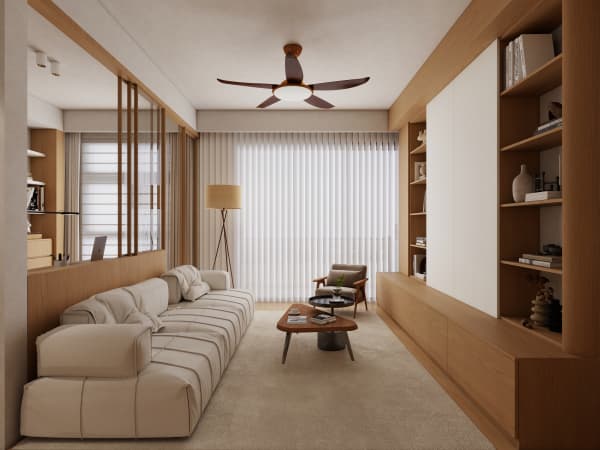
Custom Furniture by the bar counter turns the open-plan living edge into a place that hides the television behind a single panel, so the room reads as a dining space by day and a screen by night. In a Singapore condo or a compact HDB living-dining box, the TV is often the one thing that stops the room feeling calm. Build a pivoting panel into the counter run and the set disappears on a hinge, no remote cabinet required.
Why Custom Furniture belongs at the bar counter
The bar counter is already a built feature, so it is the cheapest place to add a hidden function. Rather than a loose console under the screen, the counter carcass extends to wrap the TV, and a front panel swings or slides to cover it. You are using woodwork you would build anyway, which keeps the cost down compared to a separate media unit.
It also fixes the cable mess. Chasing the wires through the counter body instead of down the wall means no trunking across the paint, and in a rented-feel resale or a strict MCST block that matters. The panel hides the set and the cords at once.
The swivel panel that hides the screen
The cleanest version is a full-height pivot. A 600mm to 800mm wide panel, hinged at the counter end, swings out to reveal the TV mounted behind it. Use a soft-close hinge rated for the panel weight, because a lightweight piano hinge will sag within a year and the gap will show.
If you would rather not have a moving edge in the walkway, a pocket slide works too: the panel retreats into the carcass like a pocket door. It needs more depth behind, roughly 100mm to 150mm of recess, which the false wall behind most counters can give. Either way, line the inside of the panel with the same laminate as the counter so the closed face looks like a continued cabinet, not a cover.
Build a small shelf into the panel back so the remote and a box of cables live with the screen. When it closes, the counter is just a counter, and the living room loses its black rectangle.
Condos: MCST and the noise of the hinge
In a condo, two rules shape this build. First, you cannot hack a structural wall to recess the TV, so the counter carcass does the hiding instead. Second, the MCST limits noisy works to roughly 9am to 5pm on weekdays, so the routing and hinge-fitting — the loud part — must land in that window. Pre-assemble the panel off-site and the on-site hour is short.
Also confirm with the MCST whether a motorised lift is allowed; some blocks treat power works near the common wall as needing approval. A manual pivot avoids that entirely and is kinder to the budget. A one-year defect warranty should cover the hinge, so log any bind early.
Pairing the counter with the hide-away
Make the counter do more than hide the TV. A lift-up section at the dining side stores placemats; a shallow drawer at the stool side holds coasters and the wine opener. The panel becomes part of a working run rather than a one-trick feature.
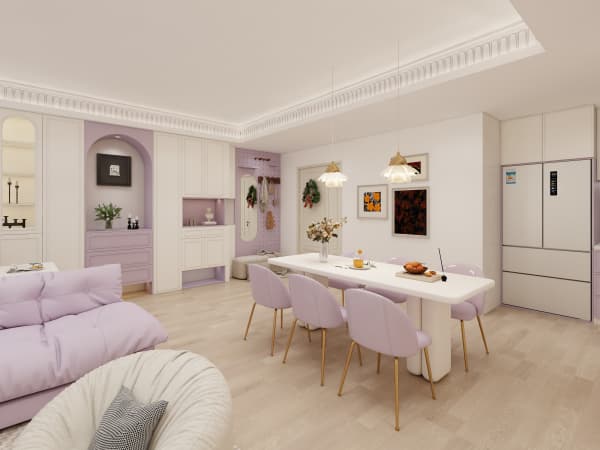
Light the recess behind the panel with a low LED so, when open, the screen sits in a soft frame instead of a dark hole. It is a small touch that makes the hidden TV feel intentional rather than concealed.
Done right, the bar counter stops being just a place to eat. It is the hinge between two rooms — a calm dining edge by day, a cosy screen by night — and the only moving part is a single panel you barely notice until you swing it.