Custom Furniture by platform: Where the Dollars Really Go
Custom Furniture is where the real dollars go when you build a raised platform, because the timber, the labour and the hidden storage add up faster than the glossy quote suggests. We tracked every cent and the breakdown surprised us.
Why a platform costs more than it looks
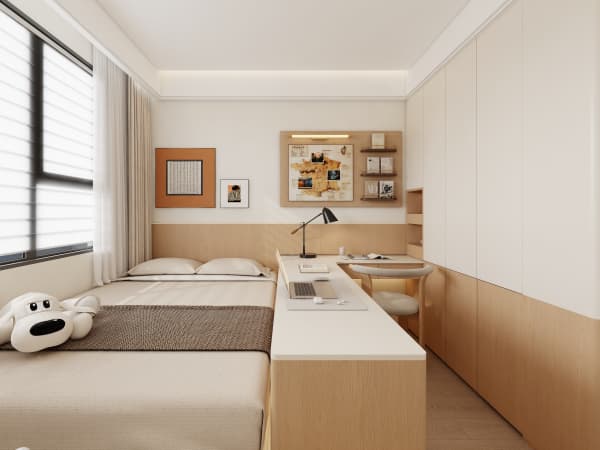
A platform bed base or a tatami-style step in the living room seems simple: a frame, a top, done. In practice the structure has to be solid enough to walk on, and that means more material than a normal cabinet. Our 3-metre platform in a 4-room flat around 90sqm used far more ply than we guessed.
The saving is the storage beneath, which replaces a separate wardrobe. But you only win if you actually plan the compartments, not just wall off a void.
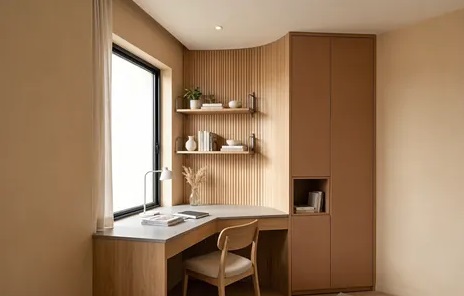
Custom Furniture and the true cost split
We asked for the invoice line by line. The money went roughly like this.
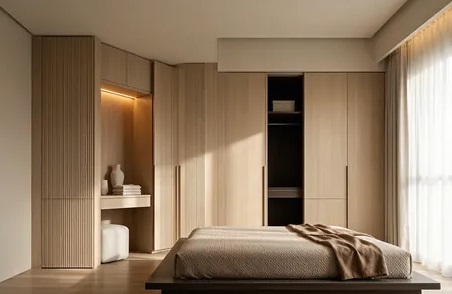
Materials took the largest share, about 45 percent, because structural plywood at S$130 a sheet adds up across a 3-metre span with cross-bracing.
Labour was close behind at 35 percent, since the carpenter builds on site and levels the frame by hand.
Hardware like gas-lift hinges and soft-close runners ate 12 percent, and these are the bits you feel every day.
Transport and markup filled the rest, around 8 percent, the part people forget when comparing quotes.
Materials and what they're worth
We used plywood throughout for the frame and a laminate top, the practical choice for something you stand on. Solid wood would have been gorgeous but roughly double the cost and heavier than the floor slab should carry.
MDF was off the list; a platform takes weight and our humidity, and MDF sags and swells. The full build ran about S$4,500 with labour, against a S$2,000 ready platform that wouldn't have given us the storage depth.
Timeline, rules and budget fit
From measure to install took nine weeks, near the top of the six-to-ten-week window because the frame is labour-heavy. Whole-house renovations in Singapore often sit between S$30k and S$70k, and a platform like ours is a few percent of that if done alone.
HDB allows a raised platform within height limits, but keep it below the window sill and away from the electrical trunking. Condo MCST bodies may cap platform height and ask for approval inside the one-year defect liability period, so confirm before the carpenter levels the first joist.
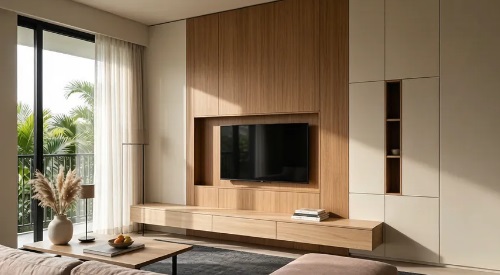
Where the value actually lands
We wipe the laminate and oil the lift hinges yearly, and check the frame screws every few months. The storage beneath now holds the winter bags and the spare linen, freeing the bedroom of a bulky wardrobe.
At resale, a well-built platform reads as extra storage, useful in tighter flats, though you rarely recover the full cost. We built it because the floor finally works for us, and knowing where the dollars went made the spend feel fair rather than foggy.