Custom Furniture in shophouse: A Camp Chair That Stows
Custom Furniture in a Singapore shophouse can include a slim storage nook that stows camp chairs for guests, which solves the "where do visitors sit" problem without cluttering a long, narrow unit. Shophouses are often conservation-tagged, so the trick is building pieces that add function without touching protected walls.
Why shophouses need stowable seating
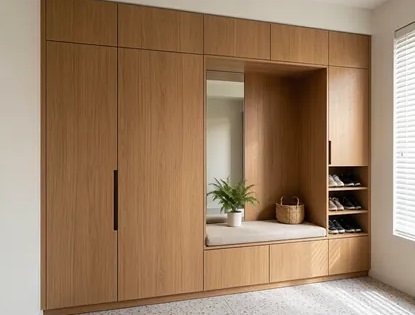
Shophouses run deep and narrow, with a front and back that feel like separate rooms. You might host in the back courtyard but have nowhere to keep spare seats. A custom bench or cabinet that hides folded camp chairs keeps them handy and out of sight.
Camp chairs fold flat, so a shallow 15cm-deep slot behind a false panel or under a window seat is enough. Pull the panel, grab a chair, done.
This works whether you own a restored shophouse or rent a unit where you can't drill the heritage walls. Build freestanding and reversible, and you keep your options open.
Building the Custom Furniture stow nook
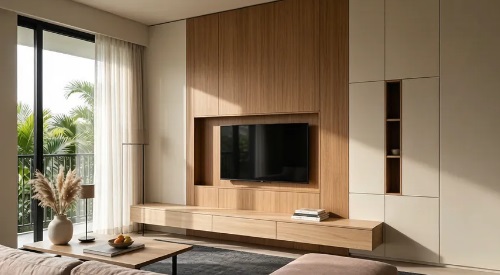
Measure your folded chairs first, note the stack height, not the open size. A run of 1.2 to 2m along a corridor wall holds six to eight chairs in a slim line.
Use a push-to-open front so there are no handles breaking the wall line. Inside, a simple divider keeps chairs from toppling when you pull one out.
If the floor is uneven, as old shophouses often are, let the carpenter shim the base. A wobble now becomes a rattle later, so fix it at build time.
Materials for older buildings
Plywood is forgiving in old spaces and takes paint well to match period colours. Solid wood adds character but costs more and reacts to drafts, so use it where it shows.
MDF gives a clean painted face for the panel front but keep it off damp walls. Laminate on the inner surfaces means a quick wipe when chairs bring in dust.
Vent the back slightly so trapped air doesn't encourage mould in a building that may not have modern vapour barriers.
Cost, timeline and conservation rules
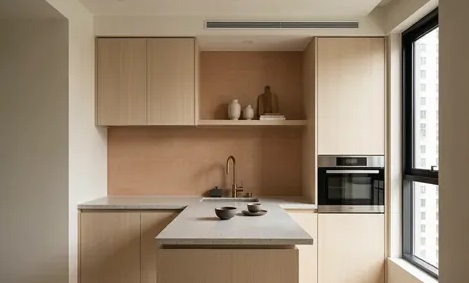
A chair stow run costs roughly S$1,000 to S$2,500. Shophouse works sit outside the usual HDB reno budget, but the principle holds, plan the spend against your overall fit-out.
Measure to install is about 6 to 10 weeks, same as other custom work. Conservation approvals, if needed, add their own clock, so start early.
Check your conservation guidelines before fixing anything to a protected surface. Freestanding, reversible pieces avoid the paperwork and protect the building's character.
Upkeep and resale
Wipe chairs before stowing so you're not trapping grit. Air the nook monthly and check for damp on the back panel.
Buyers of shophouses value clever, reversible storage that respects the shell. A neat stow nook shows you used the space well without harming the heritage.
Keep photos of the build. If you later sell or hand back the unit, evidence of reversible work saves arguments.
A shophouse rewards people who plan storage around its quirks. Build the chair nook to fit your actual foldables and guests become easy, not awkward.