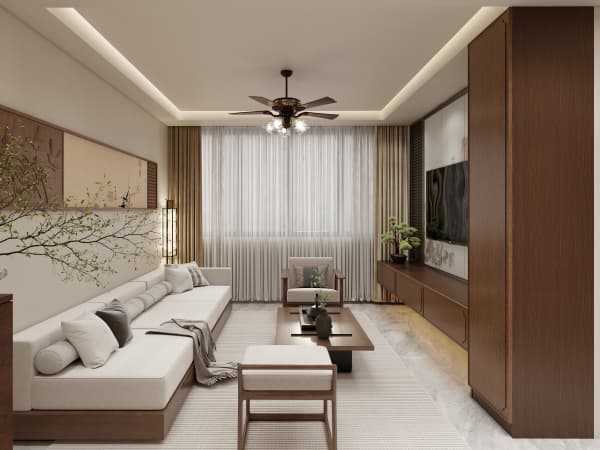
Custom Furniture of playroom: Cutting Cost, Not Corners
Custom Furniture for a playroom does not have to blow the renovation budget; the real saving comes from building only what the children actually use and choosing honest materials instead of showroom finishes. A playroom is a hard-working room — it takes scuffs, spills, and climbing — so the money is better spent on tough surfaces than on fancy profiles. You can keep a whole-home custom budget around the S$30k to S$70k typical range and still give the kids a space that lasts.
Where Custom Furniture saves money in a playroom
The waste in a playroom is almost always the off-the-shelf item bought for looks. A ready toy chest is a fixed size that never fits the alcove, so you lose floor at both ends. Build the chest to the alcove and you reclaim that dead space, which means you need fewer pieces overall. Fewer pieces, measured right, is the cheapest way to furnish any room.
Custom also lets you skip the parts children ignore. A full bank of doors looks complete but half of it hides toys nobody plays with. Open cubbies at child height, a couple of closed drawers up top for the adult clutter, and you have spent on function, not on matching fronts.
Because carpentry lead time is about 6 to 10 weeks, plan the playroom with the rest of the home rather than as an afterthought. One fabrication run for the whole flat is cheaper than a second trip for one room six months later.
Material trade-offs you can make honestly
Plywood is the workhorse here. It is stable in our humidity, takes a knock, and a birch or phenolic plywood face looks warm without a costly veneer. For a playroom that means surfaces you can wipe and edges that do not crumble when a truck is shoved into them.
MDF has its place: painted, flat-panel fronts in dry areas. It is cheaper and paints smoothly, but it swells if it stays wet, so keep it off the floor and away from the art sink. Do not use raw MDF where a child might chew or where spills land.
Solid wood is lovely and tough but the priciest, and it moves with Singapore's climate, so reserve it for a feature table rather than every shelf. The honest call for most playrooms is plywood carcass, MDF painted fronts where you want colour, and solid wood only where it earns its keep.
Build for the mess, not the showroom
Low, open shelves at 300mm to 400mm depth hold book bins and building blocks where a child can reach them. Above 1.2m, shift to closed cabinets for the things you do not want on display — craft stock, old toys, the paperwork of family life.
Add a wipeable backsplash behind the making zone. A laminate panel behind a low table turns marker stains into a ten-second clean, and it costs far less than repainting a plastered wall every few months. Round the exposed corners with a router so no sharp edge meets a running child.
A built-in window seat with lift-up storage does double duty: a reading nook by day, a toy vault by night. In a common-room playroom that also serves as a guest space, that single piece replaces a loose sofa and a toy box.
Grow-with-the-child details
Children change fast, so design the shell to outlast the age. Adjustable shelves on a pin system let the cubby become a study nook in three years. A removable rail means the dress-up bar becomes a display shelf. Avoid glueing anything permanent into a height that only fits a toddler.
Leave one blank wall of carcass you can add doors to later. When the playroom becomes a teen study, clip-on fronts hide the chaos and the room reads grown-up without new carpentry.
The point is to spend on the bones and stay flexible on the trim. A playroom built that way costs less, survives the years, and never asks you to choose between budget and a corner you are afraid to cut.