Custom Furniture Pricing: Why Quotes Vary So Much
Custom Furniture quotes for the same home can swing by S$10,000 or more, and the gap rarely comes from one big lie. It comes from a stack of small, quiet differences in material, hardware, and what the price actually includes.
What's actually inside the quote
Two quotes that look similar on the cover page can hide very different scopes. One might include delivery, installation, and a scotia trim. The other might list those as "optional extras" at the bottom in small print.
Always ask for the same scope before you compare. Same number of metres, same board, same hardware, same finishes. Only then does the number mean anything.
A 4-room HDB at about 90 sqm and a 5-room at roughly 110 sqm will naturally price differently, but even identical layouts get different quotes based on workshop overhead and how busy the firm is that month.
Material grade changes the number fast
The single biggest swing factor is the carcass. Here's the rough order from lean to rich:
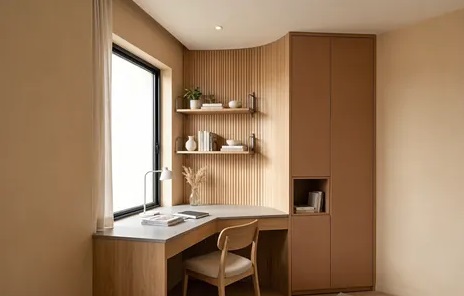
Laminate on MDF or particle board – the entry point, easy on the wallet.
Laminate on plywood – a step up in stability and screw-hold.
Veneered plywood – real wood face at a middle price.
Solid wood – the top of the range, with the care and cost to match.
Moving from the first to the third tier can add thousands across a home. None is "wrong" – they just suit different budgets and different rooms.
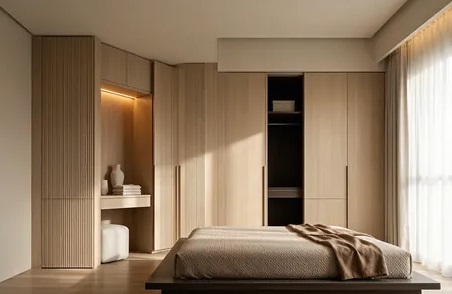
Custom Furniture hardware and the brand gap
This is the part most people miss. A basic hinge costs a fraction of a soft-close, branded one, and a home full of drawers multiplies that difference quickly.

Cheap fittings – work at first, then sag, stick, or go noisy within a year or two.
Mid branded fittings – reliable soft-close, fair price, the common local choice.
Top branded systems – smooth and long-lived, but you pay for the name.
Ask the quote to name the fitting. "Quality hinges" tells you nothing. "Soft-close, full-extension, branded runners" tells you exactly what you're buying and lets you compare like for like.
Labour, workshop, and overhead
A firm with its own workshop controls quality and timing, but carries rent and staff costs that show up in the price. A broker who subcontracts may quote lower yet hand your job to whoever is free that week.
Experienced installers cost more per day but waste less material and leave fewer gaps. On a tight HDB niche or an awkward condo corner, that skill is worth the premium.
Overhead also includes designer time. A proper 3D drawing and a site measure are not free, and they shouldn't be – they're what keep your kitchen from clashing with the service trunk.
How to read two quotes side by side
Lay both quotes out and check these line by line:
Board specification – thickness, type, and edge banding must match.
Hardware brand and type – soft-close, full-extension, or basic.
Included works – delivery, install, touch-up, disposal of old pieces.
Warranty and defect period – look for at least the 1-year window.
Variation terms – how changes are priced if you shift the plan later.
The cheapest quote is only cheap if it includes the same thing. Once you normalise the scope, the real difference is usually smaller than it first looked – and far easier to trust.
Pricing feels mysterious until you pull it apart. When you compare quotes on equal terms, custom furniture stops being a gamble and becomes a clear, itemised plan you can stand behind.