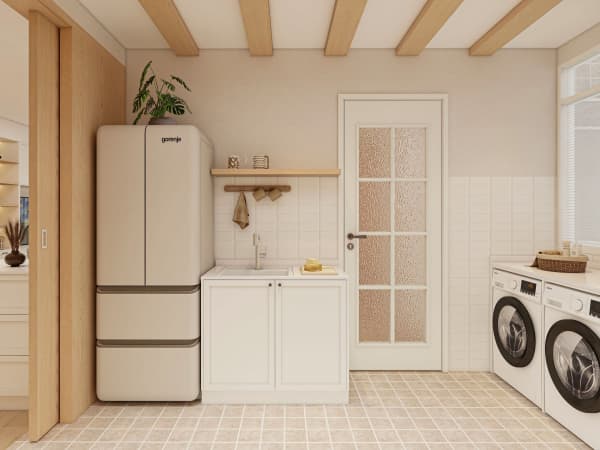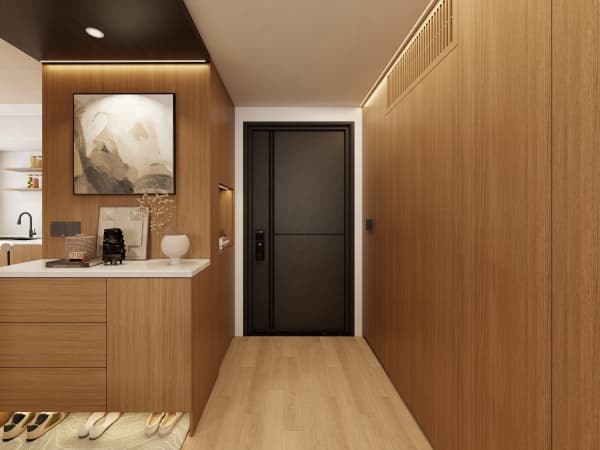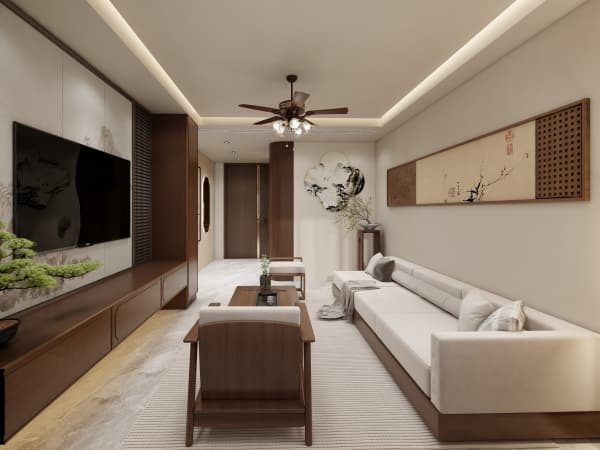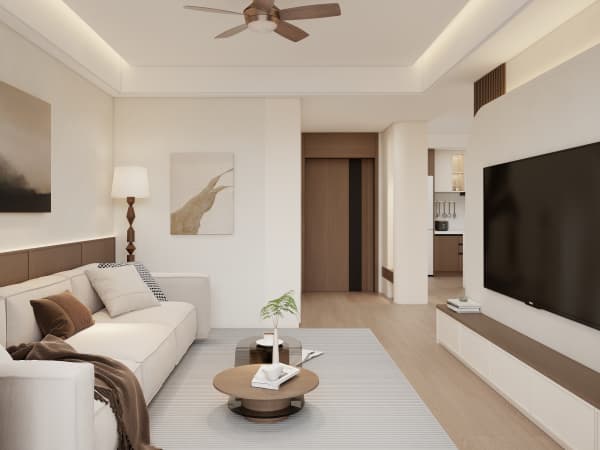
Custom Furniture with cabinet: Japandi in the Local Flat
You can bring Japandi calm into a Singapore HDB or condo with custom furniture built around a simple cabinet, and the trick is restraint rather than a big spend. Japandi blends Japanese minimalism with Scandinavian warmth, which suits our small flats because it favours low, clean lines and muted colours that make a 4-room flat feel less cramped.
What Japandi Actually Means for a Local Cabinet
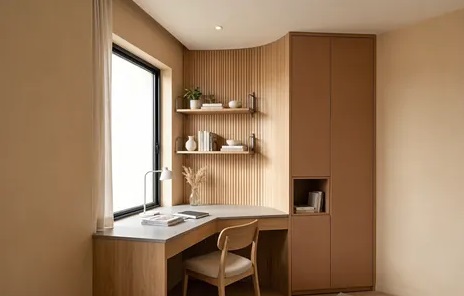
Japandi is not a single material or colour. It is a feeling: pale oak, soft greys, and a few honest textures. For a cabinet, that usually means light wood veneer or laminate, handleless doors, and open shelves kept nearly empty. In a 5-room HDB around 110sqm you can let the cabinet run floor to ceiling without it feeling heavy, because the light tone keeps the wall visually quiet.
The cabinet becomes the anchor of the room. Everything else, the sofa, the rug, the lamp, takes a back seat. That is the whole point of the style here: fewer pieces, better made, so the space reads as calm instead of busy.
Picking Materials That Survive Singapore Weather
Our humidity sits high for most of the year, so solid wood can warp if it is not seasoned and sealed well. Many homeowners go with plywood carcass and a laminate or wood veneer face. Plywood holds its shape better than MDF in damp conditions, and laminate wipes clean after the usual kitchen spills.
MDF is cheaper and gives a flawless flat surface for painting, but it swells if water sits on it. Solid wood looks the nicest and ages well, yet it costs more and needs care. For a Japandi cabinet, a plywood core with oak-look laminate is the practical sweet spot.
Where the Cabinet Should Sit
In a 4-room flat near 90sqm, place the cabinet against the longest living room wall so it reads as one clean block. Keep the TV low and let the cabinet frame it. If you live in a condo, check your MCST rules before fixing anything to the ceiling or building a feature that crosses a unit boundary, since some managements restrict alterations to the original layout.
For HDB, you are free to build internal cabinets, but keep them clear of the bomb shelter door and the electrical riser. Those areas stay accessible by regulation, so plan the cabinet around them rather than over them.
Cost and Timeline You Can Expect
A full Japandi cabinet wall, roughly 3 to 4 metres wide and floor to ceiling, runs about S$3,500 to S$7,000 depending on materials and the number of drawers. Add soft-close hinges and push-to-open doors, which suit the handleless look, for a modest premium.
The timeline from measurement to installation is usually 6 to 10 weeks. Week one is site measurement and 3D drawing, then two to three weeks for fabrication, and the rest for delivery and fitting. If you are renovating the whole flat, slot the cabinet order in early so it arrives with the rest of the carpentry.
Keeping It Looking Good
Wipe laminate with a damp cloth and a little mild soap. Avoid bleach, which dulls the finish. For oak veneer, a light oil once or twice a year keeps the grain from drying. Leave a small gap behind the cabinet for airflow so moisture does not build up against the wall, a common cause of musty smells in older flats.
Open shelves collect dust fast in our dusty city air, so keep only a few items on display and rotate them. That also keeps the Japandi calm instead of turning the shelf into storage you forgot to close.
Japandi works in a Singapore home because it asks for less, not more. A single well-built cabinet in light wood, kept simple, will outlast most trend pieces and quietly make the flat feel bigger than its floor area suggests. If you are starting a reno, this is one of the easier styles to get right without blowing the budget.