Custom Furniture with loft: What to Build Before Moving In
Custom Furniture for a loft should be planned before you move a single box in, because the pieces that earn their keep are the ones drawn around the room's odd angles while the space is still empty. Build first, decorate later, and you skip the gaps that show up once the bed and desk arrive.
Why build before you move in
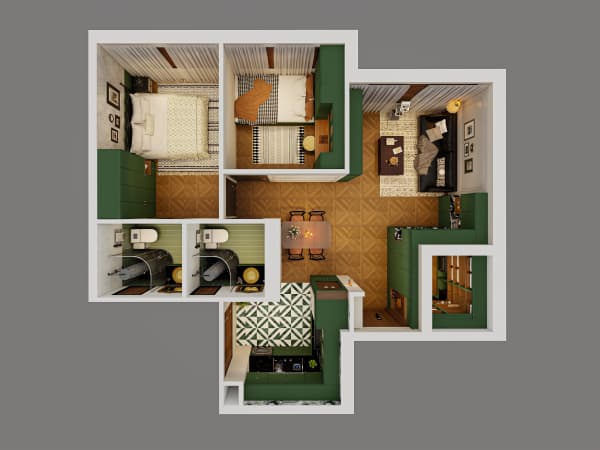
A loft is rarely a clean rectangle. You've got the slope where the roof comes down, a beam you can't move, and that corner nobody knows what to do with. When the room is empty, we can mark those lines on the floor and plan the carcasses to follow them.
Once your sofa is wedged in, those measurements get guessed, and guessed carpentry leaves three-centimetre gaps you'll stare at for years. It also saves you a second trip — we measure once, build to the wall, and you unpack into drawers that already fit.
What to prioritise in the loft
Not everything needs to be built. A few things pull their weight in a loft:
Under-slope storage. The low end of the roof is dead space for standing but perfect for a shallow cabinet you roll suitcases into.
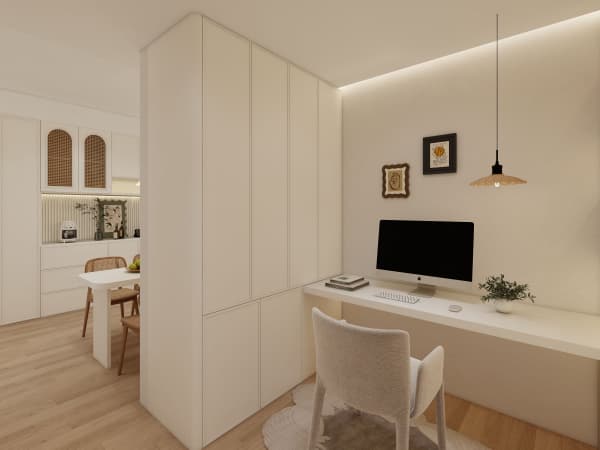
A desk that meets the wall. Where the ceiling is full height, a built-in desk turns a blank wall into a work nook without eating floor area.
Overhead racks. Lofts have height to spare up top. A simple rack for seasonal boxes uses air you'd otherwise pay to heat and cool.
Custom Furniture that fits the slopes and beams
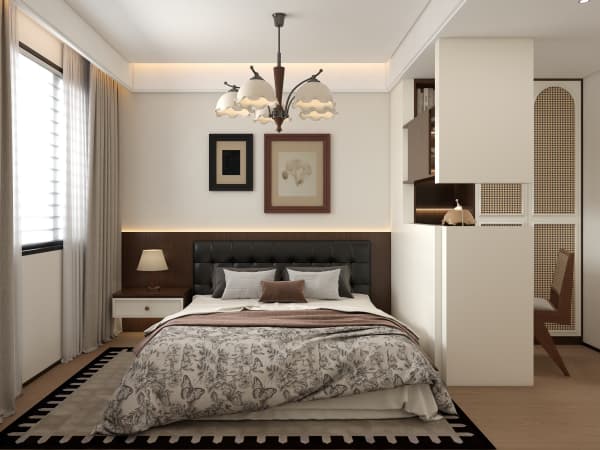
This is where Custom Furniture beats anything off the shelf. A studio loft in a condo near town often has a sloped ceiling at 1.4 metres on one side and 2.8 on the other. We scribe the top of each panel to that line so the unit looks built-in, not crammed.
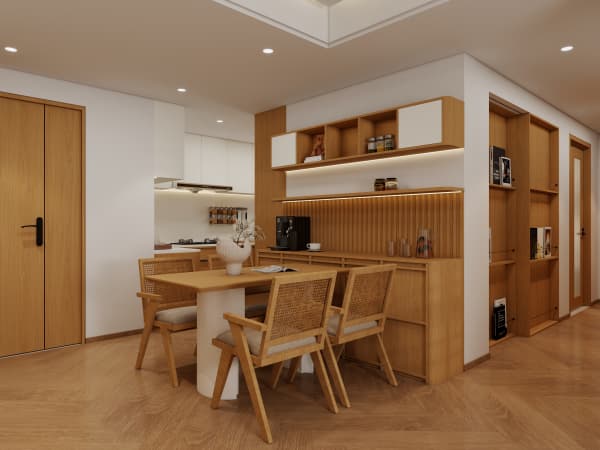
Beams are friends, not enemies. Instead of boxing one out, we run a shelf through it or tuck lighting under it. You keep headroom and gain a feature. That's the kind of detail a flat-pack piece can't give you.
Materials that suit a loft's heat and height
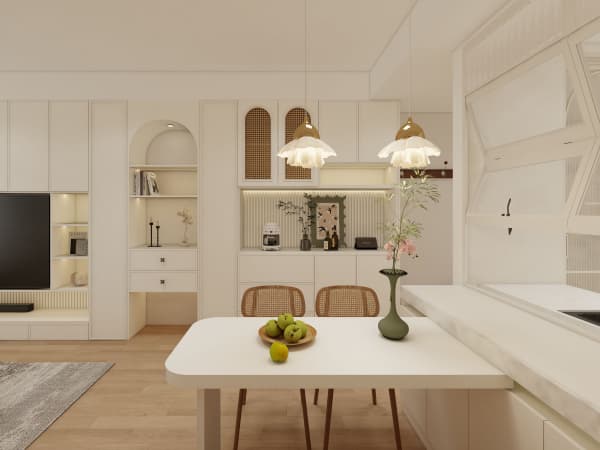
Lofts run hotter than the rest of the flat and the air moves differently. Board choice matters:
Plywood stays stable through our temperature swings and resists the warping you get with cheaper boards. It's our default for loft builds.
Laminate gives a wipe-clean face and comes in finishes that hide dust — handy when the loft doubles as a hobby room.
MDF is cheaper and fine for pieces away from windows, but it doesn't love humidity, so we avoid it near any loft vent.
Solid wood looks rich and lasts, yet it costs the most and needs oiling in our climate to keep the grain from drying.
Cost, timeline and what your flat allows
A modest loft build in a 4-room HDB (about 90 sqm) runs roughly S$2,000 to S$4,500 depending on how much you fill. A 5-room (around 110 sqm) with a full wall of storage reaches roughly S$6,000. Condo lofts add MCST steps — works that touch fire-rated elements or common areas need management approval, so ask early.
From measure to install, set aside about 6 to 10 weeks. That covers the drawing, board lead time, workshop fabrication and the fitting day. Most full Singapore renovations sit between S$30k and S$70k, so a loft is a contained slice of that budget.
HDB projects carry a one-year defect liability period. If a panel shifts or a hinge loosens in that first year, it gets put right. Keep the invoice so the claim is painless.
Keeping it sound and its value at resale
Dust collects on loft tops because they're out of sight. Give the high shelves a wipe every couple of months; a long-handled duster does it. Check the wall fixings once a year — lofts shift slightly with the building, and a loose bracket is a ten-minute fix.
At resale, a loft that's been thoughtfully built reads as extra square footage, not a renovation someone has to undo. Buyers count storage they can see. Keep the finishes neutral and the slopes clean, and the next owner pictures their own things there without a second thought.
Before you move in, walk the empty loft with a tape and a marker. The lines you draw on the floor become the storage you'll use for a decade. Build into the slopes, leave the beams be, and the room feels tailor-made rather than forced — which is the whole point of living in a space that's actually yours.