Five step defect check for 3Gen living dining Singapore
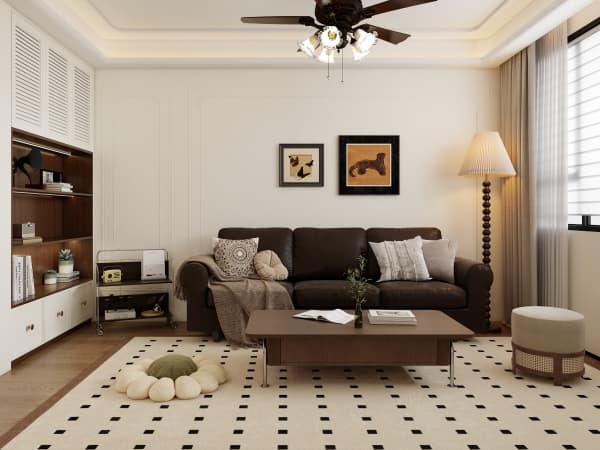
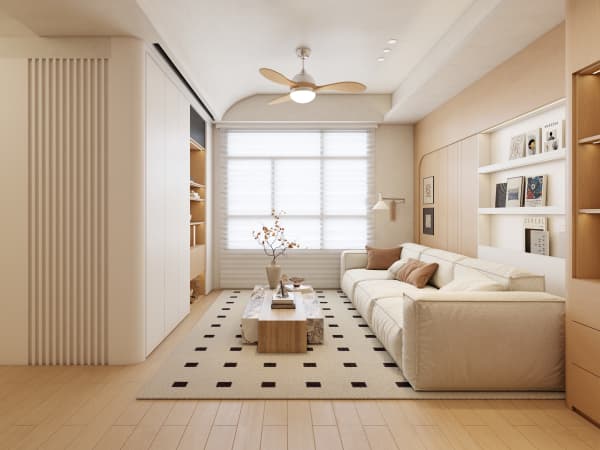
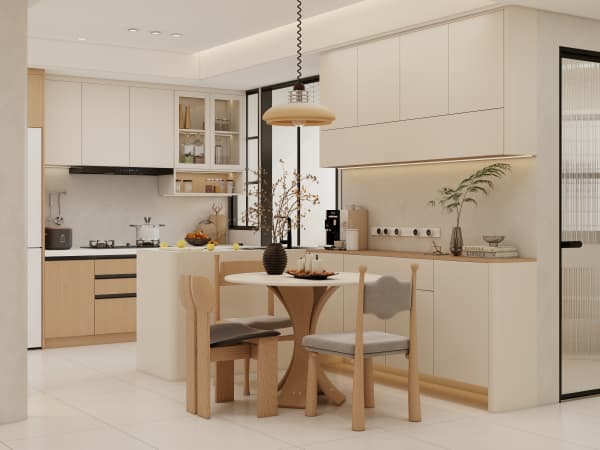
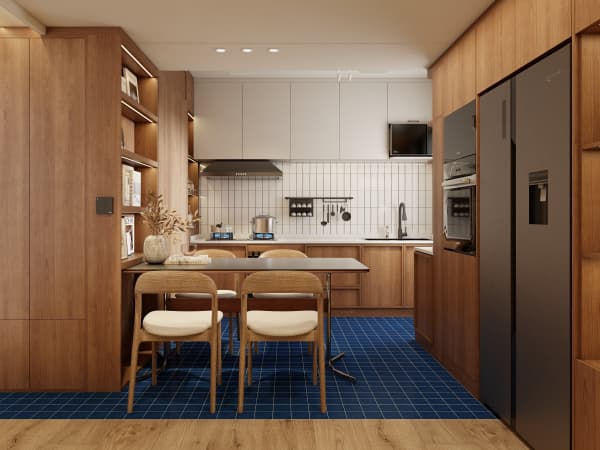
A 3Gen flat's living and dining area gets the most family use, so defects there are hard to ignore once furniture arrives. This HDB Renovation Guide Singapore gives a step by step 5 step defect inspection process for a 3Gen living and dining area, with realistic cost ranges if you find problems. The main point is to inspect before renovation so HDB approved works fix real faults, not guessed ones.
why inspect a 3Gen living and dining area
With three generations at home, the living and dining space is busy from morning to night. Defects like hollow tiles, uneven flooring, and water seepage worsen under that load. HDB rules mean structural walls, beams, and the original screed stay protected, so knowing what is genuinely wrong guides a permit that passes. For resale 3Gen flats, a pre renovation check also sets the true budget and timeline, which runs 10 to 16 weeks.
step one: tap test the floors and walls
Walk the living and dining area with a soft mallet and tap every tile. A hollow, drum like sound means a loose bond that will crack under chairs and play. Mark each spot. Expect S$800 to S$3,000 to redo a section depending on size and tile.
step two: check the floor for slope and level
Pour a little water in open spots and watch where it pools. A floor that slopes toward the dining area signals a failed screed, though hacking the screed is banned in many flats, so overlay may be the fix. Use a long level along the joints. Uneven floors cost S$500 to S$2,000 to level with a self levelling overlay before flooring goes down.
step three: look for water seepage and stains
Check the ceiling and the wall near the balcony and service yard for stains or bubbling paint. Seepage points to a pipe or waterproofing fault that HDB must address, not your contractor alone. Photograph each stain with a date. Repair scope varies widely, from S$300 for a seal to several thousand if a pipe run is involved.
step four: test doors, power points, and alignment
Open every door to the area and note sticking or gaps, which signal frame movement. Test power points with a tester, since the living area needs reliable power for fans and devices. Check wardrobe alignment if built ins exist. Faulty points and alignment issues typically cost S$100 to S$800 to correct during renovation.
step five: document and agree the scope
Compile photos and a written list, then meet the contractor to separate HDB responsibility from renovation scope. Get three quotes from CaseTrust accredited firms with Renovation Continuity Insurance. A resale 3Gen renovation runs 10 to 16 weeks, and fixing defects early avoids rework.
faq
Can I hack the screed if it is uneven? Hacking the original screed is banned in many flats; overlay is the usual fix.
Who pays for seepage? If it is a building fault, HDB addresses it; document it before renovation.
When should I inspect? Before signing the renovation quote, so the scope and price are accurate.
A 3Gen living and dining area rewards a careful five step defect check before any renovation starts. Tap, level, seek seepage, test fittings, then document and quote. Find the real faults first and the busiest space in a multi generation home gets fixed once, properly, within HDB's rules.