HDB Interior Design — working within HDB's decoration rules
When people talk about HDB Interior Design, they often mean looks. The real win is function: a home that stays calm, clean and easy to live in day after day.
Lighting Layers That Change Mood
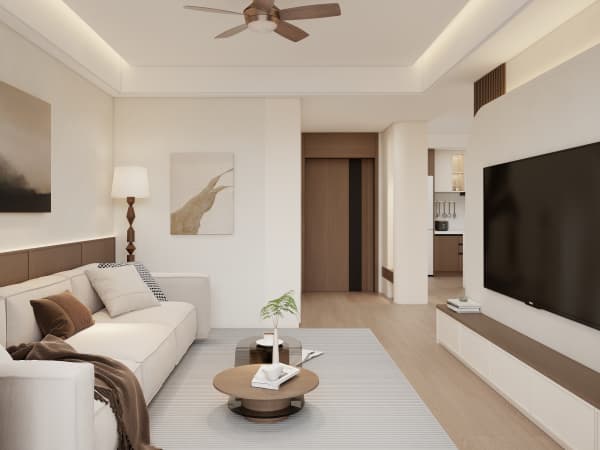
Layer ambient, task and accent light so each room can shift from bright to cosy. Concealed strips keep ceilings clean.
Warm-white tones feel more homely than cool white in living and bedroom areas, especially in the evening.
Put the living room and bedroom on dimmers. The same room becomes a bright workspace by day and a calm retreat at night.
Resist the urge to fill every corner; restraint reads as confidence rather than clutter.
Working Within HDB's Decoration Rules
HDB's decoration guidelines set what you can alter and what stays fixed. Read them before finalising the design.
Designing within the lines from day one avoids rejected submissions and the rework that costs both time and money.
A designer who knows HDB flats will flag restricted items in the first meeting, not after you have paid a deposit.
Photograph the empty rooms at different times of day; light is the cheapest upgrade and the easiest to waste.
Hiring the Right Professionals
Use a BCA-licensed contractor on the HDB Directory of Renovation Contractors. Check the licence before signing anything.
Contracts of S$5,000 and above are covered by the CaseTrust scheme with itemised Open Book pricing from 1 October 2024.
Ask for references from flats similar to yours, because a portfolio of landed homes does not prove HDB know-how.
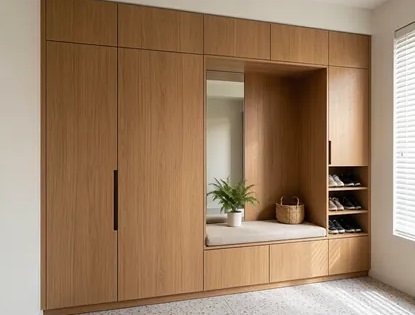
Carry one wood tone through the whole flat so the rooms read as designed, not assembled from sales.
What HDB Interior Design Really Means
HDB Interior Design is about shaping how a flat lives, not just how it looks. It covers space planning, storage, finishes and lighting within HDB's fixed shell.
Good design starts with your routine, then builds the rooms around it, so the result feels natural rather than imposed.
The best interiors are the ones you stop noticing because everything is exactly where it should be.
Photograph the empty rooms at different times of day; light is the cheapest upgrade and the easiest to waste.
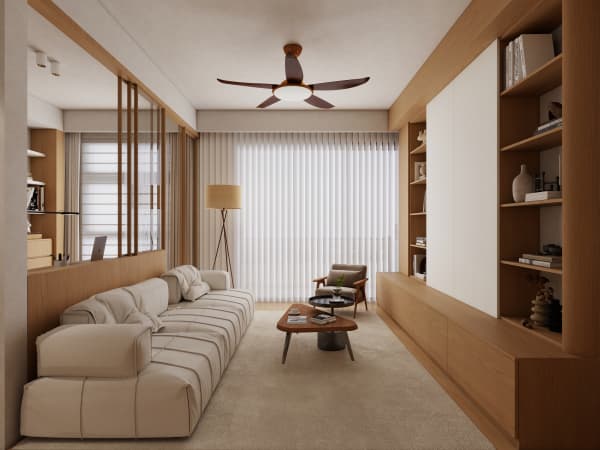
A Living Room That Flexes With Life
Low, modular storage lets the living room shift from play space to guest area. Keep pathways open from the door.
One focal wall is enough; avoid competing accents in every corner, which make even a large room feel busy.
Choose a rug that anchors the seating rather than one that fights the palette, because the rug sets the room's tone.
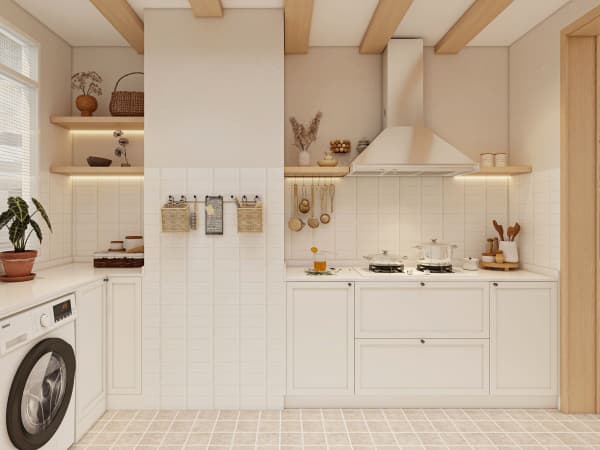
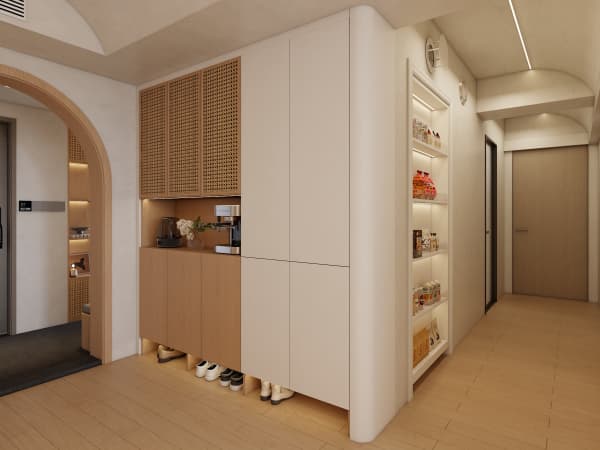
Plan storage before finishes, because hidden storage does more for calm than any feature wall.
Avoiding Over-Design
More features are not always better. Each added element is another thing to clean, fix or outgrow as the years pass.
A restrained plan usually feels more premium than a packed one, because restraint reads as confidence rather than clutter.
Ask whether each feature earns its place. If it only looks good in a render, it may not deserve the wall space.
Photograph the empty rooms at different times of day; light is the cheapest upgrade and the easiest to waste.
A home planned around routine beats one built for the camera. Start with storage and light, and the style takes care of itself.