HDB Renovation — a timeline from key collection to move-in
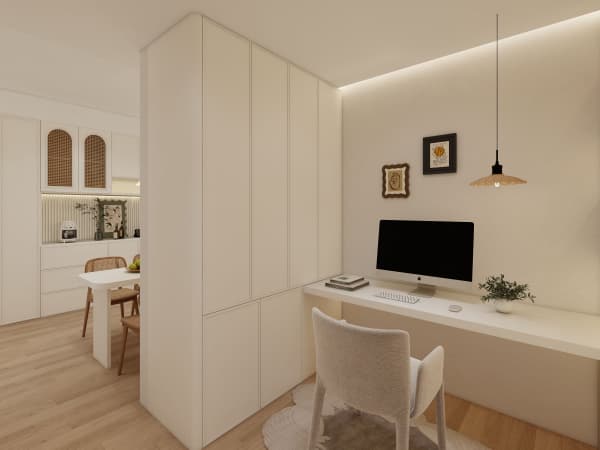
Starting an HDB Renovation feels exciting until the quotes arrive. The trick is to know the rules, the budget bands and the storage you truly need before any wall comes down.
A Realistic Budget Band for 2025
As a market observation, a 4-room BTO renovation often lands around S$30,000 to S$50,000, while a 5-room BTO runs about S$40,000 to S$60,000.
Resale flats usually cost more, with a 4-room resale commonly in the S$50,000 to S$80,000 range because of hacking, rewiring and waterproofing.
These are observations, not quotes. Your finishes and the amount of carpentry move the number more than the size of the flat alone.
Lock your colour and material choices before production starts, because changes mid-build are rarely free.
The Living Room That Flexes
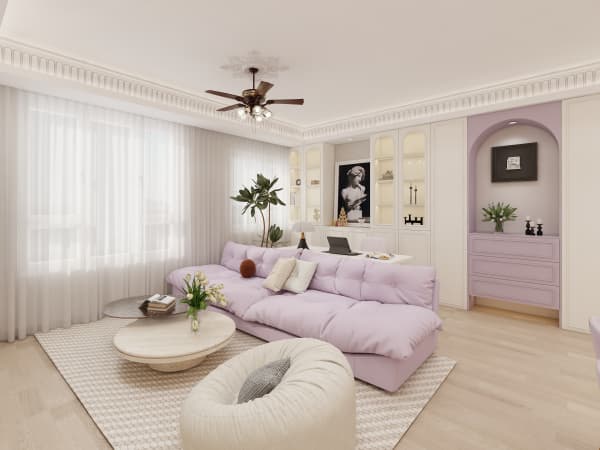
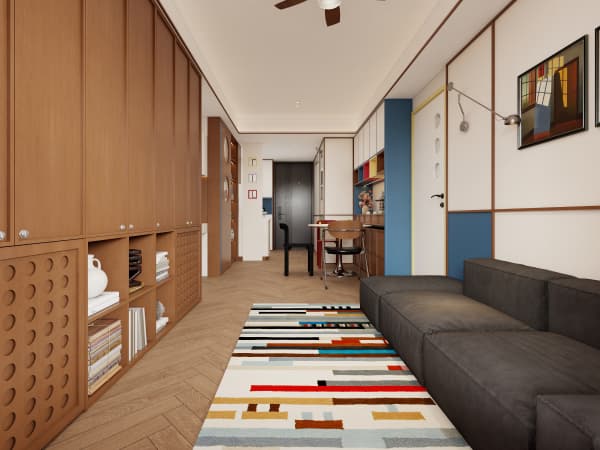
The living room wears many hats: TV corner, play space, guest area. Low, modular storage keeps it adaptable.
Leave clear sightlines from the door so the room feels open rather than cramped the moment you step in.
One focal wall is enough. Competing accents in every corner make even a large room feel busy and tired.
Visit a finished flat by the same contractor before you sign; photos flatter, real drawers tell the truth.
Deposit Rules and the Final Inspection
HDB collects a deposit of $500 for flats up to three rooms and $1,000 for four-room and larger homes. It is refunded after a compliant final inspection.
Keep the works within the approved scope so the inspection passes on the first try and your money comes back without drama.
Take dated photos of concealed works like wiring before they are closed up. They help if any dispute arises during the inspection.
A simple spreadsheet of quotes stops the 'I thought that was included' moment every owner dreads.
Common HDB Renovation Myths Worth Dropping
One myth is that you can hack almost any wall. In reality, structural walls, beams, parapet walls and the floor trap stay untouched, and toilets cannot shift.
Another is that cheaper quotes save money. A vague quote usually hides the items you will pay for later, once the walls are already down and you have no leverage.
A third myth is that renovation always adds value. Done badly it wastes money; done well it improves daily life, which is the real return.
A simple spreadsheet of quotes stops the 'I thought that was included' moment every owner dreads.
Choosing a Calm, Lasting Colour Palette
Neutral walls with one accent shade age far better than a bold colour in every room. Lighter tones also make a compact flat feel larger.
Keep the palette tight across rooms so the home reads as one calm space rather than a set of unrelated boxes that tire the eye.
Test paint on a small patch and live with it for a weekend. Colours shift under different light, and a swatch lies.
Goodwill with neighbours costs nothing and smooths the noisy weeks more than you would expect.
Where the Money Actually Goes
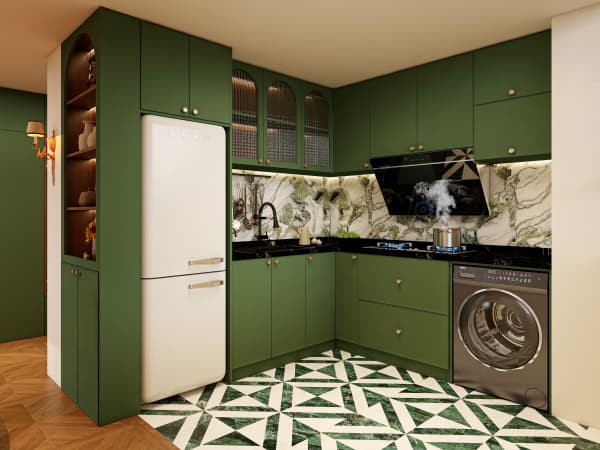
Carpentry, flooring and the kitchen take the largest shares. Custom cabinets are where a lot of the budget quietly goes.
Leave a buffer of about 10 to 15 percent for the changes you will inevitably want once the walls come down and the space reveals itself.
Track spend by category in a simple sheet. Owners who do this are far less likely to be surprised at the final invoice.
A simple spreadsheet of quotes stops the 'I thought that was included' moment every owner dreads.
Good renovations are less about drama and more about getting the basics right. Measure twice, quote itemised, and you will move in without the usual regrets.