HDB Renovation — building a wardrobe that fits the space
When you plan an HDB Renovation, the first decision is not the colour of the tiles but how the flat should actually live. Most owners in Singapore start by fixing the rooms that bug them daily.
Working With a Layout That Already Exists
HDB flats come with a fixed layout, and most structural elements cannot move. Good design works with those lines instead of fighting them.
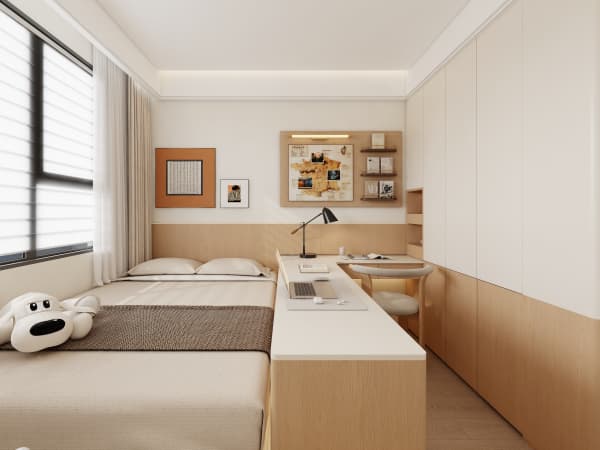
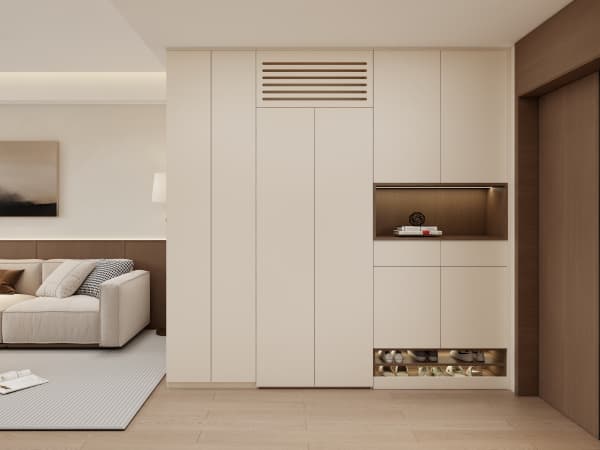
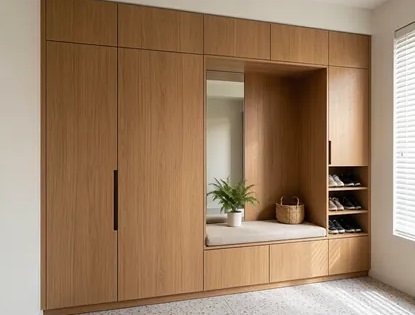
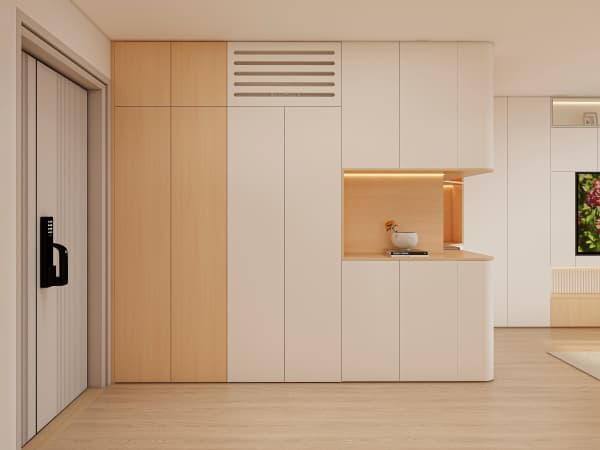
Built-in carpentry along existing walls often solves storage without touching a single beam, which keeps the permit simple and the cost down.
Resist the urge to copy a show flat. Your doorway positions and window light are unique, and the plan should respect them.
Visit a finished flat by the same contractor before you sign; photos flatter, real drawers tell the truth.
Bathrooms Built for Humidity
Humidity is the enemy of every HDB toilet. Waterproofing, good extraction and humidity-proof materials protect the finish for years.
Keep fixtures where HDB allows them; moving a toilet bowl or floor trap is not permitted, and trying it voids your deposit refund.
A recessed niche in the wall replaces a bulky caddy and keeps the floor clear, which makes the small room feel bigger and safer.
A simple spreadsheet of quotes stops the 'I thought that was included' moment every owner dreads.
Choosing a Calm, Lasting Colour Palette
Neutral walls with one accent shade age far better than a bold colour in every room. Lighter tones also make a compact flat feel larger.
Keep the palette tight across rooms so the home reads as one calm space rather than a set of unrelated boxes that tire the eye.
Test paint on a small patch and live with it for a weekend. Colours shift under different light, and a swatch lies.
Keep a small contingency for the things you only notice once you actually live in the space.
Getting Your HDB Renovation Off to a Clean Start
The cleanest starts happen before any hammer comes out. Walk every room, note what you use and what you avoid, and write it down on a single page.
That short list becomes the brief your contractor works from, and it keeps the project from drifting into changes that cost time and money later.
Photograph the empty flat from each corner. Those shots help you remember socket points and door swings when you are arguing over a layout three weeks in.
Goodwill with neighbours costs nothing and smooths the noisy weeks more than you would expect.
The Renovation Permit Window Explained
The renovation permit must be applied for within three months of key collection or resale completion, and it stays valid for three months.
Miss the window and you delay the whole project, so lock your contractor and design early rather than treating it as a formality.
The permit also sets the inspection at the end, so keep every work within the approved scope from the first day on site.
A simple spreadsheet of quotes stops the 'I thought that was included' moment every owner dreads.
A Realistic Budget Band for 2025
As a market observation, a 4-room BTO renovation often lands around S$30,000 to S$50,000, while a 5-room BTO runs about S$40,000 to S$60,000.
Resale flats usually cost more, with a 4-room resale commonly in the S$50,000 to S$80,000 range because of hacking, rewiring and waterproofing.
These are observations, not quotes. Your finishes and the amount of carpentry move the number more than the size of the flat alone.
Visit a finished flat by the same contractor before you sign; photos flatter, real drawers tell the truth.
Good renovations are less about drama and more about getting the basics right. Measure twice, quote itemised, and you will move in without the usual regrets.