HDB Renovation: laminate versus veneer cabinets
Choosing between laminate and veneer is one of the quiet decisions in any HDB Renovation, and it shapes both the look and the price of your cabinets. Laminate is the practical everyday pick, while veneer brings a real wood feel at a higher cost and more care. Know what each does well and you will not second-guess the choice once the carpentry is in.
1. What laminate actually is
Laminate is a printed surface fused onto a board, so the face you see is a photograph of wood, stone, or a colour, not the material itself. That is why it can copy oak, marble, or a flat pastel at a fraction of the cost. It is the default for most HDB carpentry, and for good reason.
Its strengths are easy to list:
- Stable in humidity, so it does not cup or crack like real wood.
- Simple to wipe, which suits kitchens and kids.
- Cheaper than veneer, often by a clear margin.
- Available in matte, textured, and gloss looks.
The trade-off is that it is a surface, not solid timber, so a deep chip shows the board underneath rather than a wood edge.
2. What veneer brings to the table
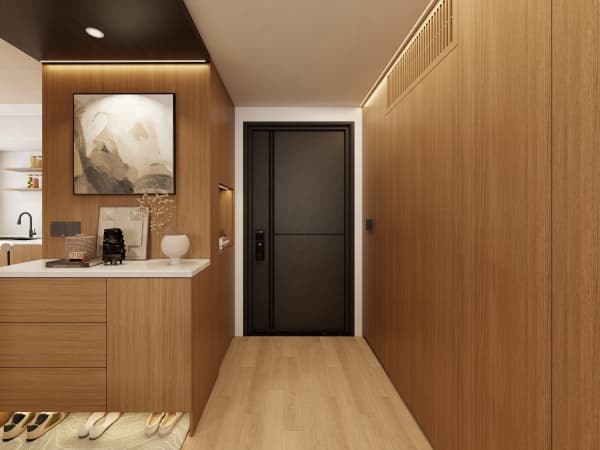
Veneer is a thin slice of real wood glued over a board, so you get genuine grain and the warmth that only timber gives. Up close, it reads as a crafted piece rather than a printed one. For owners who want that hotel-lobby feel, veneer is the way.
Where veneer wins:
- Real wood grain with depth no print matches.
- A richer, more tactile surface.
- It can be lightly sanded and re-finished if scratched, within limits.
The catch is upkeep. Veneer reacts to humidity more than laminate, and a bad water spill left alone can mark it. It also costs more, which adds up across a whole flat of cabinets.
3. Cost, look, and durability side by side
Put plainly, laminate leads on price and toughness, veneer leads on character. Based on recent market observations, veneer cabinet faces typically run noticeably above laminate for the same carpentry, and the gap widens with the wood species you choose.
A quick comparison:
- Cost: laminate is the budget-friendly choice; veneer is a premium one.
- Look: veneer has true grain; laminate imitates it well.
- Durability: laminate shrugs off moisture; veneer needs more care.
- Repair: laminate chips show board; veneer can be touched up.
4. Where each one makes sense in your flat
You do not have to pick one for everything. Many sensible HDB Renovation plans mix them by zone:
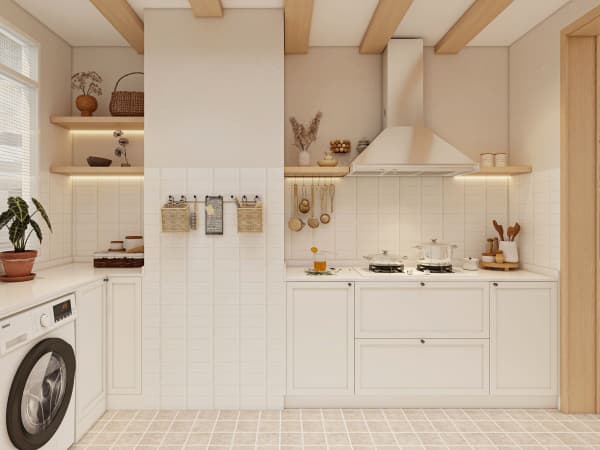
- Kitchen and service yard: laminate, for moisture and easy cleaning.
- Bedroom wardrobes: laminate for most, veneer on a feature panel if you want flair.
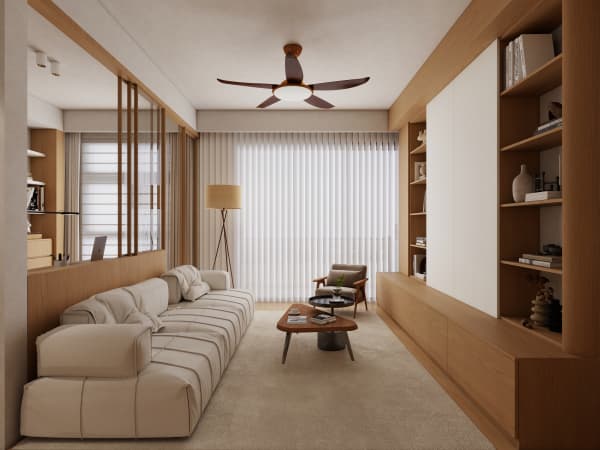
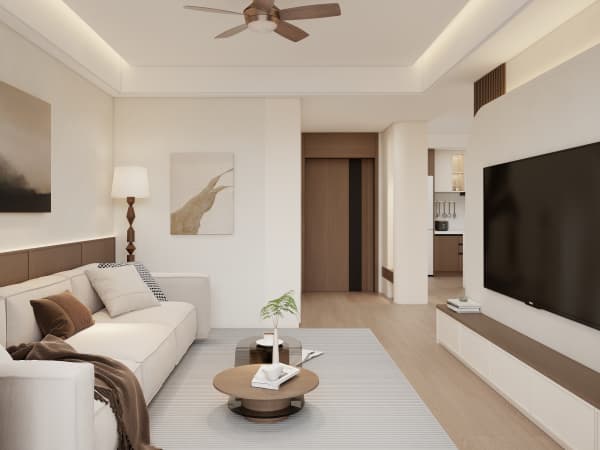
- Living room feature wall: veneer accents over a laminate base for warmth.
- Toilet vanity: laminate or a solid surface, never raw veneer near water.
This split keeps the budget sane while still giving you the wood moment you wanted.
5. Care that keeps either looking good
Both finishes last longer with small habits:
- Wipe spills at once, especially near the sink and yard.
- Avoid soaking wet cloths sitting on a surface edge.
- Use felt pads so items do not scrape the face.
- Keep direct sun off veneer so it does not fade unevenly.
6. Picking what fits your HDB Renovation
There is no wrong answer, only the one that fits your budget and taste. Laminate gives you a tough, low-fuss home that shrugs off Singapore weather, while veneer adds the real-wood soul if you are willing to pay and care for it. In a whole-house customization plan, you can place veneer exactly where it shows and laminate where it works, so your HDB Renovation looks considered without overspending on cabinets nobody touches.