HDB Renovation: working with the decoration guidelines
When you plan an HDB Renovation, the first decision is not the colour of the tiles but how the flat should actually live. Most owners in Singapore start by fixing the rooms that bug them daily.
Avoiding the Surprise Cost Trap
Surprise costs come from vague quotes and late changes. Insist on an itemised quote that lists every material and labour line.
The 'Open Book' pricing format required under the 2024 scheme is built to stop exactly this problem by showing real costs.
Agree in writing on what happens when you add work mid-project, so the variation order does not become a blank cheque.
Lock your colour and material choices before production starts, because changes mid-build are rarely free.
HDB Renovation vs a Simple Makeover
A makeover swaps loose furniture and paint. A renovation changes the shell: cabinets, floors, wiring and plumbing.
If the flat already works, a makeover may be enough. If storage, layout and finishes are tired, renovation earns its cost by fixing the root problems.
Many owners do a light makeover first, live in the flat a year, then renovate with a much clearer idea of what they actually need.
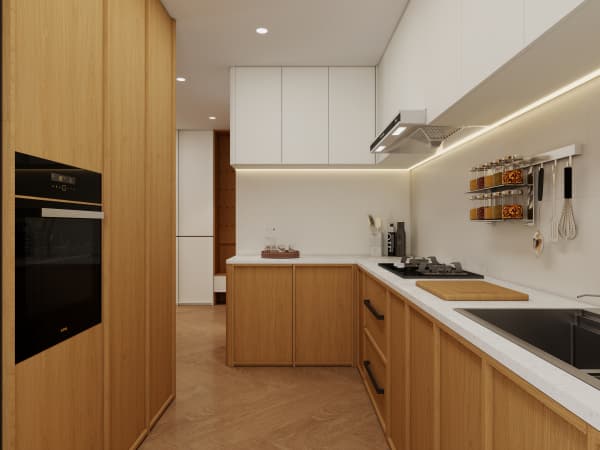
Visit a finished flat by the same contractor before you sign; photos flatter, real drawers tell the truth.
Bathrooms Built for Humidity
Humidity is the enemy of every HDB toilet. Waterproofing, good extraction and humidity-proof materials protect the finish for years.
Keep fixtures where HDB allows them; moving a toilet bowl or floor trap is not permitted, and trying it voids your deposit refund.
A recessed niche in the wall replaces a bulky caddy and keeps the floor clear, which makes the small room feel bigger and safer.
Visit a finished flat by the same contractor before you sign; photos flatter, real drawers tell the truth.
Mapping Each Room Before You Spend a Cent
Map the rooms you use most and be honest about pain points. The kitchen, the master bedroom and the living area usually deserve the biggest slice of the budget.
A simple sketch with measurements prevents the classic mistake of buying storage that does not fit the wall or blocks a doorway you use ten times a day.
Score each room one to five on storage, comfort and light. The lowest scores tell you exactly where the money should go.
Visit a finished flat by the same contractor before you sign; photos flatter, real drawers tell the truth.
Deposit Rules and the Final Inspection
HDB collects a deposit of $500 for flats up to three rooms and $1,000 for four-room and larger homes. It is refunded after a compliant final inspection.
Keep the works within the approved scope so the inspection passes on the first try and your money comes back without drama.
Take dated photos of concealed works like wiring before they are closed up. They help if any dispute arises during the inspection.
Goodwill with neighbours costs nothing and smooths the noisy weeks more than you would expect.
Open Shelving vs Concealed Storage
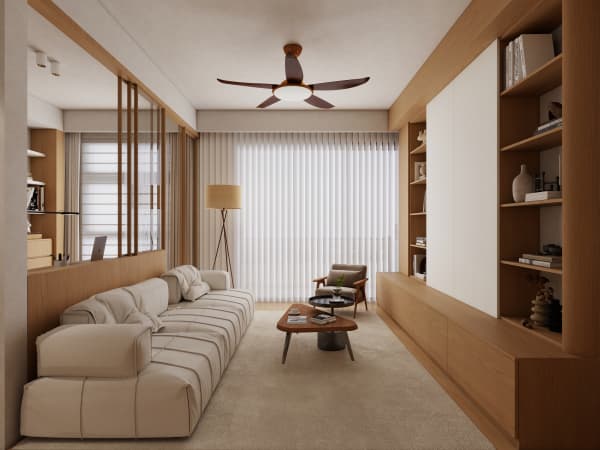
Open shelves look airy but show every speck of dust and every stray item. Concealed cabinets hide the mess but can feel heavy in a small room.
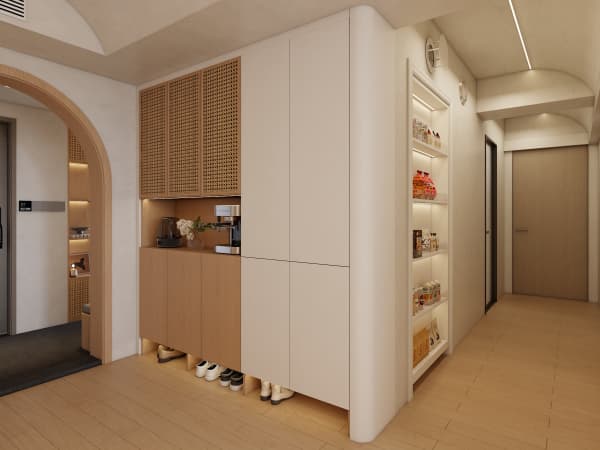
A mix works best: display a few favourite pieces, hide the rest behind clean cabinet fronts that wipe down in seconds.
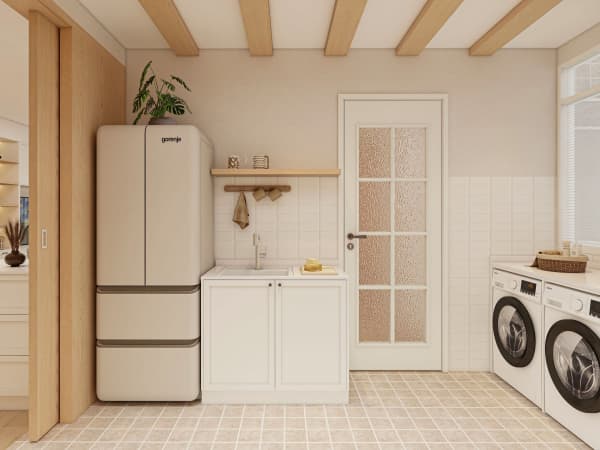
In the kitchen, keep daily-use items behind doors so the room reads calm even mid-cook, when counters are chaos.
Lock your colour and material choices before production starts, because changes mid-build are rarely free.
A renovation that respects the rules, the budget and your real routine will serve you for years. Talk to a BCA-licensed contractor early and keep the plan honest.