HDB Wardrobe Tips: working around the bomb shelter
HDB Wardrobe carpentry is the biggest storage decision in a bedroom, and a poor layout nags you every single morning. Start by counting what you actually own.
Corner Wardrobes That Use the Wall
An L-shaped wardrobe turns a dead corner into the main storage wall. Angle the shelves to reach the back without a black hole.
It frees the room centre and uses otherwise wasted space, which is gold in a compact HDB bedroom.
Put the least-used items in the deep corner and the daily things on the easy faces, so the awkward bit earns its place.
Rotate seasonal items twice a year so nothing hides at the back forgotten for three years.
Working Around the Bomb Shelter
The bomb shelter door cannot be hidden behind joinery in a way that blocks it. Design the wardrobe to frame it instead of cover it.
A flush panel in the same finish keeps the wall looking continuous, so the shelter disappears into the design rather than fighting it.
Leave the shelter handle reachable. A wardrobe that traps the shelter door is a compliance fail you do not want at inspection.
Use ventilated fronts for shoes; sealed-in footwear is the fastest route to a bedroom that reeks.
Ventilation to Avoid Musty Smells
Leave a small gap at the back or use vented panels so air moves. Humidity builds fast behind a sealed wardrobe against an outer wall.
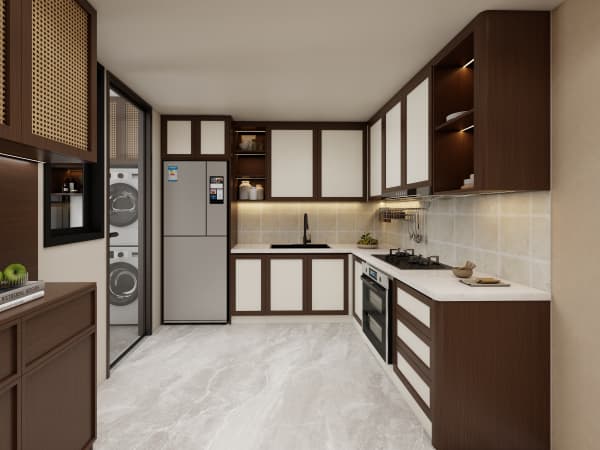
Good extraction in the bedroom helps the whole wall, so the wardrobe is only as fresh as the air the room can move.
Toss a sachet of cedar or charcoal inside; it is a cheap insurance against the smell that ruins good clothes.
Keep everyday shoes at the bottom and occasion pairs up high, so the morning rush is never a dig.
Budget Bands That Work
As a market observation, a built-in wardrobe for a typical bedroom often runs from the low thousands upward depending on size and materials.
Plywood and soft-close hardware lift the price but extend the life, so they are usually worth the upgrade over the cheapest build.
Spend the top of the budget on the carcass and the internal fittings, because those are what you touch and feel every day.
Rotate seasonal items twice a year so nothing hides at the back forgotten for three years.
Sliding Versus Hinged Doors
Sliding doors need less clearance but more depth; hinged doors seal better and cost less. Pick by the room, not the trend.
In tight bedrooms, sliding often wins on space, because a hinged door that swings into the bed is a daily nuisance.
If you choose hinged, use soft-close hinges so the door does not bang at midnight when someone grabs work clothes.
Match the handle finish to the bedroom door handle so the room reads as one designed space.
Custom Versus Ready-Made HDB Wardrobes
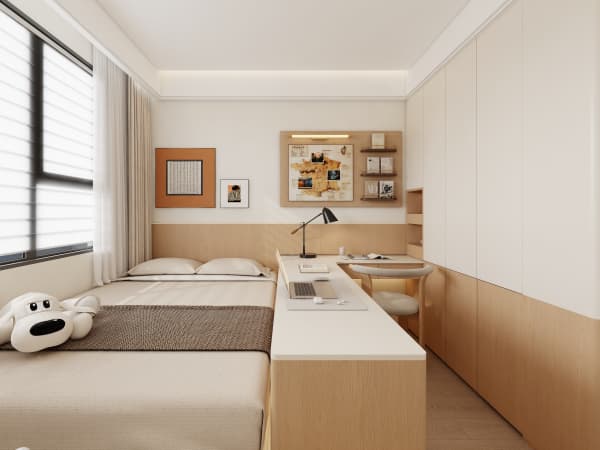
Ready-made units are cheaper but leave gaps and rarely use full height. Custom carpentry fits the wall exactly and hides the seams.
The trade-off is lead time and a higher price for the tailored fit, so order early and budget for the difference honestly.
If the wall is straight and standard, a ready-made can work; if it is irregular, custom pays off in both fit and usable volume.
Use ventilated fronts for shoes; sealed-in footwear is the fastest route to a bedroom that reeks.
The best wardrobe is the one you forget about because it just works. Plan the interior by item type, and mornings get easier.